


- Latest news▼
-
17:46, November 9 RFI: Cholera Outbreak Reported in the Democratic Republic of the Congo

-
15:51, November 9 PNAS: Stress Related to COVID-19 Pandemic Accelerates Biological Aging

-
13:47, November 9 ARS: Broccoli Compound Sulforaphane Improves the Condition of Cell Models of Friedreich’s Ataxia

-
11:45, November 9 Nature Communications: Brain Networks Show Less Flexibility in Changing Connections Across Different Psychiatric Diagnoses

-
08:42, November 9 Scientists Discover Mechanism That Helps Prostate Cancer Become Resistant to Treatment
-
22:38, November 8 Scientists Create Detailed Genetic Map of Tuberculosis Bacterium That Could Help Develop New Antibiotics
-
20:45, November 8 Scientists Find Way to Provide Long-Term Relief from a Hormonal Cause of High Blood Pressure in Some Patients

-
18:43, November 8 Neuron: The Brain May Fail to Consolidate Memories During Sleep Even When Sleep Appears Normal

-
16:37, November 8 Scientists Evaluate Methods for Detecting Rare DNA Mutations Linked to Aging and Cancer
-
14:29, November 8 Why Mood Worsens in Autumn and Winter and When to Seek Medical Advice

-
12:36, November 8 Nature: Genetic Differences in Gut Bacteria Linked to Age and Human Health Indicators

-
10:42, November 8 European Journal of Nutrition: Breast Milk Composition May Be Linked to Early Nervous System Development

-
08:34, November 8 Scientists Identify Mechanism That Prevents the Immune System from Fighting Blood Disorders
-
22:41, November 7 More Than 80 Organizations Urge WHO to Reconsider Nitrate Limits in Drinking Water

-
20:35, November 7 Two Green Kiwifruit a Day May Help Relieve Chronic Constipation, Research Review Suggests

All materials
Scientists Create Detailed Genetic Map of Tuberculosis Bacterium That Could Help Develop New Antibiotics
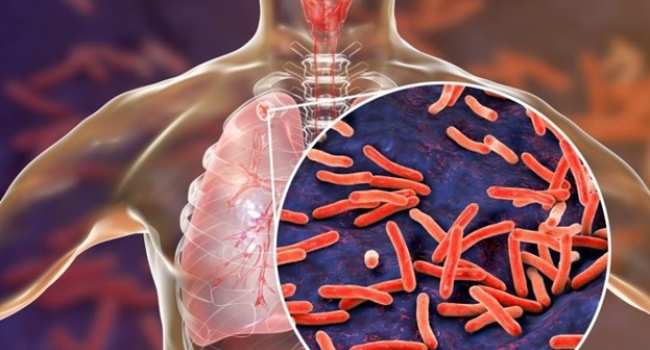
Researchers at Rockefeller University have created the most detailed map to date of interactions among essential genes in Mycobacterium tuberculosis, the bacterium that causes tuberculosis. The study identified nearly 6,500 genetic interactions, including thousands of previously unknown connections. The findings were published in the journal Nature.
Tuberculosis remains one of the world's deadliest infectious diseases, claiming more than a million lives each year. Treatment typically requires taking several antibiotics over a period of months, while drug-resistant forms of the disease may require even longer courses of therapy. The bacterium is particularly difficult to eliminate because of its robust cell wall and its ability to persist in the body for extended periods.
Researchers led by Jeremy Rock studied interactions among 762 genes essential for the pathogen's survival. To do so, they refined CRISPR interference (CRISPRi), a technology that allows scientists to reduce gene activity without cutting DNA or killing the bacterium. The researchers suppressed individual genes and pairs of genes, then compared the effects of these changes on bacterial growth.
The map helped clarify the functions of genes whose roles had previously remained unknown. Some, in particular, were found to be associated with the electron transport chain, a system involved in cellular energy production. Additional experiments confirmed their role in the functioning of a large protein complex responsible for cellular respiration.
The researchers also used the findings to identify promising drug combinations. They discovered four combinations with synergistic effects, in which the combined action of the drugs was stronger than expected. In one combination, an experimental compound enhanced the bactericidal effect of ethambutol, an antibiotic used to treat tuberculosis. The scientists also identified a drug combination in which the medications weakened each other's effects.
The authors believe the map could help systematize the search for new antibiotic targets and more effective treatment regimens, reducing the need to test numerous combinations through trial and error. The data are already available to other researchers. The next step is to investigate gene interactions under conditions that more closely resemble those in which the bacterium exists inside the human body.
Follow NEWS.am Medicine on Facebook and Twitter

- Video




- Event calendar
- Archive
- Most read
month
week
day
- ABC News: Weight-Loss Drug Tested in the US Delivers More Than Twice the Results of Ozempic 1067
- Science Advances: Brain Activity May Predict Alzheimer's Disease Years Before Symptoms Appear 640
- Shockwave Therapy for Pain: Researchers Evaluate Treatments for Frozen Shoulder 613
- Banning Sweets Can Make Them More Tempting: How Parental Restrictions Shape Children's Eating Habits 579
- Dietitians Name a Heart-Healthy Alternative to Red Meat 544
- AJA: Tight Underwear Linked to Impaired Sperm Motility and Morphology 532
- The Number of People with Anorexia and Bulimia Could Reach 21.8 Million by 2050 525
- Nature Medicine: Cervical Cancer Deaths Projected to Rise by 39.3% by 2050 503
- Journal of Neurology: Long-Term High BMI Linked to Memory Decline 493
- WHO: One in Four Adolescents Worldwide Does Not Engage in Physical Activity Even One Hour a Week 487
- Frontiers: Crossed Brain Connections May Be an Evolutionary Legacy of Ancient Vision 479
- Child Dies of Measles in New York State for the First Time in 30 Years 476
- Why Do Different Mutations Lead to Autism? Scientists Identify a Common Mechanism 473
- One Pill Instead of Two Medications: New Approach Improves Diabetes Control 470
- Cannabis Use Linked to Higher Stroke Risk, Study Reveals Unexpected Pattern 449
- Find us on Facebook
- Poll