


- Latest news▼
-
23:31, October 16 Cardiologists Urge Inclusion of Physical Exercise in Heart Disease Prevention

-
21:29, October 16 Stem Cell Reports: Nicotine Exposure During Pregnancy Permanently Weakens Offspring’s Immune Systems

-
19:15, October 16 Frontiers: Poor Sleep May Increase the Risk of Breast Cancer by 30%

-
17:26, October 16 Nature: Researchers Link Faster Wound Healing to Female Sex Hormones

-
15:05, October 16 BJN: Asparagus extract helps improve sleep and reduce anxiety

-
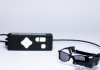
10:55, October 16 Science Corporation Implants Vision-Restoring Chip in First Patient With Stargardt Disease
-
08:41, October 16 Smartphone Habits Can Detect Stress With Up to 76% Accuracy, Scientists Find

-
21:36, October 15 Cardiologists Urge Inclusion of Physical Exercise in Heart Disease Prevention

-
19:41, October 15 RPTH: One to Two Cups of Coffee a Day Linked to a 51% Lower Risk of Recurrent Venous Thromboembolism

-
17:50, October 15 JACH: Eating Breakfast May Improve Psychological Flexibility

-
15:42, October 15 A Simple Way to Blunt Blood Sugar Spikes After Meals
-
12:33, October 15 Scientists Discover a Longevity Gene That Extends Lifespan by 14%

-
10:37, October 15 WHO: Lead Poisoning Claims More Than 3.5 Million Lives Every Year
-
08:47, October 15 Why It Can Sometimes Be Impossible to Stop Laughing: Neuroscientists Identify Two Mechanisms Behind Laughter

-
21:24, October 14 Molecular Cell: Bacteria Hide an Unusual Defense Mechanism That Activates When a Virus Attacks

All materials
Nature Aging: Proteomic Aging Clocks Linked to Chronic Disease and Mortality Risk

A large European study published in Nature Aging has found that biological age, estimated from the protein composition of blood plasma, is strongly associated with the risk of chronic diseases and all-cause mortality.
The researchers used so-called proteomic aging clocks—a method of estimating biological age by analyzing thousands of proteins circulating in the blood. This approach measures how rapidly a person's body is aging at the molecular level compared with their chronological age.
The study included 17,473 participants from several European countries, including Spain, Italy, the United Kingdom, Germany, and the Netherlands. Participants were followed for up to 28 years as part of the European Prospective Investigation into Cancer and Nutrition (EPIC) study.
The researchers calculated an age gap—the difference between biological age and chronological age. They found that accelerated biological aging was associated with a substantially higher risk of disease and death.
Each additional year of biological age beyond chronological age increased the risk of death from any cause by approximately 13%. Overall, the global proteomic aging clocks were associated with hazard ratios of about 1.3–1.4 for cardiovascular disease and stroke, and around 1.2 for dementia.
Accelerated biological aging was also linked to an increased risk of several cancers, including cancers of the lung, liver, kidney, stomach, and upper aerodigestive tract. The strongest associations were observed for kidney, lung, and stomach cancers, where organ-specific proteomic aging clocks provided the most accurate risk predictions.
The study further showed that accelerated biological aging was associated with lifestyle factors such as smoking, physical inactivity, and alcohol consumption. In contrast, body mass index (BMI) and overall diet quality showed less consistent associations with the overall age gap, highlighting the complexity of the biological aging process.
Importantly, the proteomic aging clocks demonstrated predictive performance comparable to established risk factors such as chronological age, smoking, and other clinical variables. Moreover, combining proteomic aging measures with conventional clinical data significantly improved the accuracy of mortality prediction.
The researchers used statistical models that accounted for body mass index, smoking, alcohol intake, physical activity, diet quality, and educational attainment. The findings were also validated in the independent Whitehall II cohort.
The authors emphasize that this was an observational study and therefore cannot establish cause-and-effect relationships. Nevertheless, the findings highlight the potential of blood protein biomarkers as a practical tool for assessing biological aging in clinical settings.
If confirmed by future research, proteomic aging clocks could help identify individuals at high risk of chronic diseases at an earlier stage, allowing physicians to improve risk prediction and tailor preventive interventions more effectively.
Follow NEWS.am Medicine on Facebook and Twitter

- Video



- Event calendar
- Archive
- Most read
month
week
day
- International ACTS Research Project to Support Smoking Cessation Launched in Armenia 543
- Molecular Cell: Bacteria Hide an Unusual Defense Mechanism That Activates When a Virus Attacks 499
- Cardiologists Urge Inclusion of Physical Exercise in Heart Disease Prevention 495
- Stem Cell Reports: Nicotine Exposure During Pregnancy Permanently Weakens Offspring’s Immune Systems 478
- Frontiers: Poor Sleep May Increase the Risk of Breast Cancer by 30% 478
- Nature: Researchers Link Faster Wound Healing to Female Sex Hormones 441
- HealthAI: Artificial Intelligence Helps Healthcare Shift from Treatment to Prevention 417
- Chemical Senses: A Healthy Diet May Be Linked to a Better Sense of Smell 395
- Pancreatic Cancer Can Change Its “Genetic Strategy”: Study Identifies Key Mechanisms 382
- Science Corporation Implants Vision-Restoring Chip in First Patient With Stargardt Disease 369
- BJN: Asparagus extract helps improve sleep and reduce anxiety 367
- Study: Healthy Diet During Pregnancy Reduces the Risk of Colic and Eczema in Children 361
- It's Not Just Weight: Body Shape Is Linked to Heart Attack Risk 340
- Study: Humanity Is Losing Gut Microbes Passed Down Through Generations 282
- Scientists Discover a Longevity Gene That Extends Lifespan by 14% 244
- Find us on Facebook
- Poll