


- Latest news▼
-
22:46, September 3 At-Home Urine Test Could Detect Most Bladder Cancer Cases, Study Finds

-
20:38, September 3 Alcohol-Related Cancer Deaths Double in the U.S. as the Number of Such Deaths Rises Over 33 Years

-
18:29, September 3 An Unexpected Paradox: Both Very Low and Very High Testosterone Levels May Be Equally Dangerous for the Heart

-
16:11, September 3 The Independent: Aging Is the Main Risk Factor for Cancer

-
14:13, September 3 CC: Age-Related Changes in Memory May Begin as Early as 50

-
08:34, September 3 Scientists Find Who May Benefit More from Coffee in Terms of Parkinson’s Disease Risk

-
23:37, September 2 LDE: Popular Diabetes Drugs Linked to Risk of a Dangerous Complication in Certain Patients

-
19:45, September 2 European Journal of Nutrition: Some Additives in Ultra-Processed Foods May Be Linked to Depression Risk

-
17:29, September 2 Neuron: Human Brain Immune Cells Mature Hundreds of Times More Slowly Than Those in Mice

-
15:21, September 2 Frontiers in Nutrition: Sucralose and Stevia Altered the Gut Microbiome for Two Generations in Mice

-
13:13, September 2 Frontiers: Frequent Consumption of Sugary Drinks Linked to a 23% Higher Risk of ADHD in Children

-
11:12, September 2 Food & Function: Nuts May Accelerate Blood Vessel Recovery After Stroke

-
08:39, September 2 Scientists Discover Hidden Sign of Crohn’s Disease and Ulcerative Colitis Before a Flare-Up

-
22:41, September 1 Not Just APOE4: Scientists Identify 44 Genes That May Alter Alzheimer’s Risk

-
20:39, September 1 The Word “Diet” May Put Men Off: Study Suggests Easier Ways for Them to Lose Weight

All materials
Long-Term Exposure to Road Traffic Noise Linked to Higher Parkinson's Disease Risk
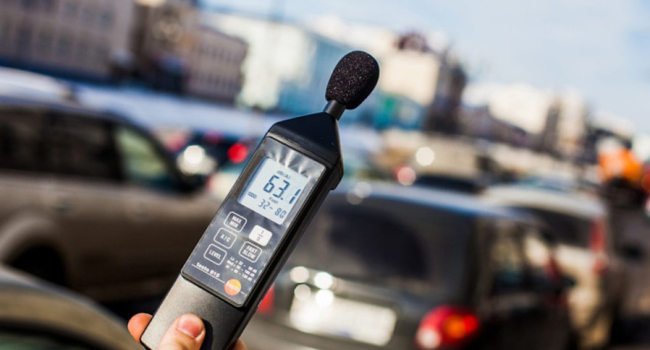
Long-term exposure to residential road traffic noise may slightly increase the risk of developing Parkinson's disease, according to a large Danish study published in JAMA Neurology.
Traffic noise has long been recognized as a public health concern due to its links with cardiovascular disease, hypertension, sleep disturbances, mental health problems, and impaired cognitive development in children. The new findings suggest it may also contribute to the risk of neurodegenerative disorders.
Researchers followed more than 3 million Danish residents aged 40 years and older for nearly 18 years. During the study period, 20,587 participants were diagnosed with Parkinson's disease.
Using Denmark's nationwide address and health registries, the investigators estimated road traffic noise exposure at every residential address since 1990. Noise levels were calculated for both the most exposed (street-facing) and least exposed (quiet) sides of each home, and a rolling 10-year average was determined for every participant, even if they changed residence. The analysis also accounted for factors such as age, sex, socioeconomic status, and air pollution.
The study found that higher long-term exposure to road traffic noise was associated with a modest increase in Parkinson's disease risk. Every 11.5-decibel increase in noise on the most exposed side of a home was linked to a 3% higher risk of Parkinson's disease. On the quieter side of the home, where bedrooms are often located, every 8.9-decibel increase in noise was associated with a 4% increase in risk.
The researchers also found evidence that a quieter home environment may offer some protection. Among people exposed to road traffic noise levels above 50 decibels, those whose homes had a quiet side that was at least 10 decibels quieter than the street-facing side had a lower risk of developing Parkinson's disease.
Although the study does not establish a cause-and-effect relationship, the authors suggest that chronic traffic noise may contribute to neurodegeneration by disrupting sleep and triggering long-term stress and inflammatory responses, mechanisms that have previously been linked to the loss of dopamine-producing neurons characteristic of Parkinson's disease.
The researchers conclude that residential traffic noise may represent a previously underrecognized environmental risk factor for Parkinson's disease. They note that reducing long-term noise exposure—through urban planning measures such as locating bedrooms and living spaces away from busy roads—could become an important strategy for protecting brain health as the population ages.
Follow NEWS.am Medicine on Facebook and Twitter





- Most read
month
week
day
- An Unexpected Paradox: Both Very Low and Very High Testosterone Levels May Be Equally Dangerous for the Heart 935
- Alcohol-Related Cancer Deaths Double in the U.S. as the Number of Such Deaths Rises Over 33 Years 859
- European Journal of Nutrition: Some Additives in Ultra-Processed Foods May Be Linked to Depression Risk 841
- The Independent: Aging Is the Main Risk Factor for Cancer 838
- LDE: Popular Diabetes Drugs Linked to Risk of a Dangerous Complication in Certain Patients 836
- CC: Age-Related Changes in Memory May Begin as Early as 50 835
- At-Home Urine Test Could Detect Most Bladder Cancer Cases, Study Finds 818
- Scientists Find Who May Benefit More from Coffee in Terms of Parkinson’s Disease Risk 706
- Find us on Facebook
- Poll