


- Latest news▼
-
13:47, August 29 European Dietitian Recommends Eating Whole-Grain Bread Several Times a Day

-
11:42, August 29 Global Number of People Living with Type 1 Diabetes Could Rise by 29% by 2049

-
23:57, August 28 AI Trained to Detect Four Lung Diseases Through Exhaled Breath

-
21:31, August 28 Scientists Identify Dozens of Overlooked Health Risks During Heatwaves

-
19:26, August 28 Study: Nicotine Vapes May Be More Effective Than Other Smoking Cessation Aids

-
17:28, August 28 ESC: Experts Replace Complex Heart Attack Numbering with Three Clear Categories

-
15:26, August 28 Chinese Scientists Develop a Way to Build Muscle Without Exercise

-
08:46, August 28 Caffeine vs. a Sleepy Morning: Experiment Produces an Unexpected Result

-
22:27, August 27 World’s First Patient Undergoes Live AI-Assisted Brain Surgery

-
20:39, August 27 ERJ Open Research: Frequent Use of Rescue Inhalers Linked to Increased Risk of Heart Disease

-
18:25, August 27 When Parents Live to 100: How Their Children Differ From Others

-
16:36, August 27 More Than Two Hours of Scrolling May Be a Warning Sign: Social Media Linked to Depression

-
14:40, August 27 Scientists Develop 3D Model of Human Brain Tissue to Study Alzheimer’s Disease

-
12:45, August 27 Study: The Amount of Nutrients Matters More Than Their Type for Intestinal Cell Turnover

-
10:44, August 27 Scientists Develop a New Model to Predict the Risk of Tooth Decay in Children

All materials
European Dietitian Recommends Eating Whole-Grain Bread Several Times a Day
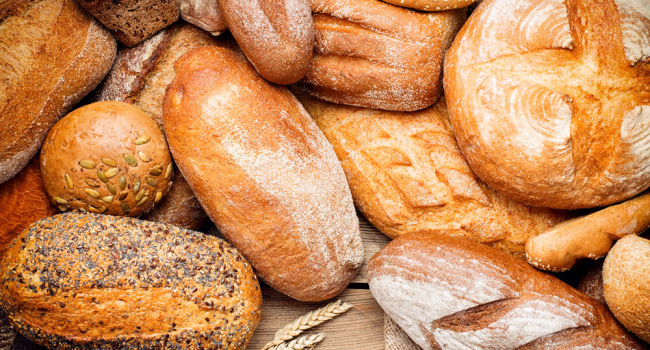
Bread has unfairly found its way onto the list of foods many people try to avoid when losing weight. However, carbohydrates themselves do not cause weight gain, and high-quality whole-grain bread can be an important part of a healthy diet, according to Adrienne Szabó, a dietitian at Semmelweis University, as reported by Medical Xpress.
According to international dietary guidelines, carbohydrates should provide around 40–60% of a person’s daily energy intake. Weight gain is caused not by carbohydrates themselves but by consistently consuming more calories than the body uses. According to the expert, people in Hungary often consume excessive amounts of energy from fats instead.
Bread is more than just a source of carbohydrates, unlike foods such as sugar. It contains zinc, selenium, magnesium, B vitamins, plant-based protein, and significant amounts of dietary fiber. However, these benefits apply primarily to whole-grain varieties.
In Hungary, a product can be labeled as whole-grain if it contains at least 60% whole-grain flour. During the production of this flour, the bran and germ of the grain are retained.
Research shows that regular consumption of whole-grain foods is associated with a lower risk of metabolic syndrome, high blood pressure, type 2 diabetes, cardiovascular disease, and colorectal cancer. Therefore, whole-grain bread can reasonably be included in the diet several times a day.
When choosing bread, Szabó says that the ingredients are more important than the preparation method. Clinical studies indicate that the health benefits of bread are determined to a greater extent by the quality of the grain than by the baking technology.
Sourdough bread can indeed have some advantages over rapidly produced yeast bread. During fermentation, certain components become easier to digest, while some minerals become more bioavailable. However, when choosing between ordinary yeast bread and sourdough bread, it is preferable to select the one containing more whole-grain flour and no artificial additives.
The term “semi-white” bread does not mean that half of the product is made from whole-grain flour. Such bread is generally produced almost entirely from medium-extraction flour.
The dietitian recommends varying the diet by trying whole-grain bread made from rye, spelt, and different varieties of wheat, as their vitamin and mineral profiles differ somewhat.
What you eat with bread also matters. Instead of two thick slices of white bread with sausage and full-fat cheese, for example, you could make a sandwich with cottage cheese and fresh herbs, add tomatoes and peppers, or choose mackerel, which is rich in omega-3 fatty acids.
Szabó also recommends freezing leftover bread rather than throwing it away. According to her, bread accounts for a significant share of food waste in Hungary. Freezing may be a better option than buying long-life bread, which often contains numerous additives.
The dietitian considers concerns about pesticides and mycotoxins in whole-grain products to be largely unfounded. Grain-processing technologies and quality-control methods have improved substantially, while the levels of potentially harmful substances in products sold on the market are strictly regulated.
According to Szabó, many claims circulating today are not supported by properly conducted clinical studies in humans.
Follow NEWS.am Medicine on Facebook and Twitter

- Related News
- Biomolecules: Mulberries May Alter the Composition of the Gut Microbiota The researchers were particularly interested in how biologically active compounds found in mulberries interact with gut bacteria...
- Scientific Reports: A Daily Acetic Acid Drink May Help Relieve Constipation Participants recorded their bowel movement frequency and other stool characteristics every day...
- Coffee Consumption May Be Linked to Better Breast Cancer Outcomes, Study Finds Women with the highest polyphenol intake were less likely to die from breast cancer and also had a lower risk of recurrence. Coffee was the main source of polyphenols in the participants’ diets...
- Legumes, Nuts and Whole Grains Against Diabetes: What a New Scientific Review Found The researchers found substantial differences between various types of plant-based diets...
- British Journal of Nutrition: Just a Handful of Nuts a Day May Reduce the Risk of Hypertension by 20% The analysis found that people who consumed the highest amounts of nuts had approximately a 16% lower risk of developing hypertension than those who ate the least...




- Most read
month
week
day
- COVID-19 may enhance the breathing response after awakening during sleep 646
- Scientists identify drug combination that could slow the growth of treatment-resistant prostate cancer 602
- Two Unknown Ancestors Discovered in the Human Genome 571
- New Experimental Treatment Burns Fat While Preserving Muscle in Obesity and Diabetes Study 532
- Innovative Spray Developed to Treat Rhinitis Caused by Overuse of Nasal Decongestants 483
- Scientists Discover a New Property of Viruses 466
- Nature Medicine: Depression May Impair the Brain’s Ability to Adapt to New Experiences 463
- Biomolecules: Mulberries May Alter the Composition of the Gut Microbiota 460
- Over 90% Accuracy: FDA Clears New Blood Test for Early Alzheimer’s Detection 456
- A Hundred Years Is Not a Prescription: Scientists Explain Why a Healthy Lifestyle Does Not Guarantee a Long Life 451
- Late Diagnosis and Limited Access to Care Fuel Gynecologic Cancer Deaths in Low- and Middle-Income Countries 439
- Lung cancer patient remains tumor-free for 10 years after sodium selenite treatment 432
- Calories Aren’t All the Same: Study Highlights the Benefits of the Mediterranean Diet 429
- Doctors and scientists race to understand a growing form of heart failure 425
- World’s First Patient Undergoes Live AI-Assisted Brain Surgery 422
- Find us on Facebook
- Poll