


- Latest news▼
-
23:31, October 16 Cardiologists Urge Inclusion of Physical Exercise in Heart Disease Prevention

-
21:29, October 16 Stem Cell Reports: Nicotine Exposure During Pregnancy Permanently Weakens Offspring’s Immune Systems

-
19:15, October 16 Frontiers: Poor Sleep May Increase the Risk of Breast Cancer by 30%

-
17:26, October 16 Nature: Researchers Link Faster Wound Healing to Female Sex Hormones

-
15:05, October 16 BJN: Asparagus extract helps improve sleep and reduce anxiety

-
10:55, October 16 Science Corporation Implants Vision-Restoring Chip in First Patient With Stargardt Disease

-
08:41, October 16 Smartphone Habits Can Detect Stress With Up to 76% Accuracy, Scientists Find

-
21:36, October 15 Cardiologists Urge Inclusion of Physical Exercise in Heart Disease Prevention

-
19:41, October 15 RPTH: One to Two Cups of Coffee a Day Linked to a 51% Lower Risk of Recurrent Venous Thromboembolism

-
17:50, October 15 JACH: Eating Breakfast May Improve Psychological Flexibility

-
15:42, October 15 A Simple Way to Blunt Blood Sugar Spikes After Meals

-
12:33, October 15 Scientists Discover a Longevity Gene That Extends Lifespan by 14%

-
10:37, October 15 WHO: Lead Poisoning Claims More Than 3.5 Million Lives Every Year

-
08:47, October 15 Why It Can Sometimes Be Impossible to Stop Laughing: Neuroscientists Identify Two Mechanisms Behind Laughter

-
21:24, October 14 Molecular Cell: Bacteria Hide an Unusual Defense Mechanism That Activates When a Virus Attacks

All materials
JCI: Loss of the Y Chromosome in Men May Be an Early Sign of Cancer
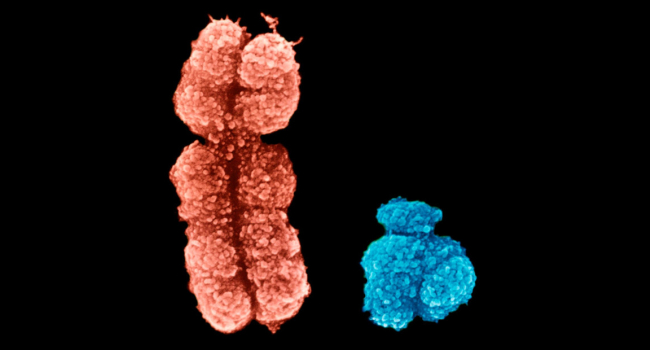
Loss of the Y chromosome in men may occur in tissues before a tumor forms and could serve as one of the early signs of cancer development. This was the conclusion of researchers at the University of Arizona Cancer Center. The findings were published in the journal JCI Insight.
Men typically have one X chromosome and one Y chromosome in their cells. As men age, some cells may lose the Y chromosome—a genetic change that is particularly common in blood cells. The new study showed that a similar process also occurs in tissues of various organs and may be associated with the transition from normal tissue to cancer.
The researchers analyzed approximately 1,000 tissue samples from 405 men. Using automated fluorescence imaging, they examined more than 4.3 million cell nuclei and determined the ratio of X and Y chromosomes.
The researchers studied in particular bladder tissues removed along with tumors. They found a gradual increase in Y-chromosome loss as tissue progressed from apparently normal tissue to early pathological changes and then to established tumors. The closer a tissue sample was to the cancer, the more frequently its cells lacked the Y chromosome.
The most pronounced loss of the Y chromosome in apparently normal tissue adjacent to tumors was observed in cancers of the colon and rectum, esophagus, pancreas, and lungs.
“This pattern may indicate the existence of a precancerous state in which tissue still appears healthy but has already acquired genetic changes that promote tumor development. In the future, this marker could potentially help doctors assess biopsies and identify areas at increased risk,” the researchers explained.
The team had previously found that loss of the Y chromosome directly within cancer cells may help tumors evade the immune response. The new study suggests that Y-chromosome-related changes may emerge even before cancer develops.
Follow NEWS.am Medicine on Facebook and Twitter

- Video




- Event calendar
- Archive
- Most read
month
week
day
- International ACTS Research Project to Support Smoking Cessation Launched in Armenia 452
- Molecular Cell: Bacteria Hide an Unusual Defense Mechanism That Activates When a Virus Attacks 433
- Cardiologists Urge Inclusion of Physical Exercise in Heart Disease Prevention 432
- Frontiers: Poor Sleep May Increase the Risk of Breast Cancer by 30% 418
- Stem Cell Reports: Nicotine Exposure During Pregnancy Permanently Weakens Offspring’s Immune Systems 414
- Nature: Researchers Link Faster Wound Healing to Female Sex Hormones 382
- Chemical Senses: A Healthy Diet May Be Linked to a Better Sense of Smell 357
- HealthAI: Artificial Intelligence Helps Healthcare Shift from Treatment to Prevention 344
- eClinicalMedicine: More Than 40% of Women with Autoimmune Diseases Have Experienced a Misdiagnosis of a Psychiatric Condition 324
- Pancreatic Cancer Can Change Its “Genetic Strategy”: Study Identifies Key Mechanisms 319
- Study: Healthy Diet During Pregnancy Reduces the Risk of Colic and Eczema in Children 315
- Science Corporation Implants Vision-Restoring Chip in First Patient With Stargardt Disease 313
- WHO: Two-thirds of young Europeans experienced childhood trauma with lifelong consequences 306
- BJN: Asparagus extract helps improve sleep and reduce anxiety 304
- JES: Longer Sleep May Increase the Risk of Kidney Damage in People with Diabetes 299
- Find us on Facebook
- Poll