


- Latest news▼
-
18:24, September 30 The Lancet Oncology: Infections Account for One in Eight Cancer Diagnoses Worldwide

-
16:30, September 30 Xinhua: Fatty Diet Leads to the Formation of 248 Gallstones in Man

-
14:21, September 30 ACS: Menthol Additive Significantly Prolongs and Intensifies the Effects of Nicotine

-
12:23, September 30 MM: Excess Dietary Salt Raises the Risk of Fatty Liver Disease in Lean People

-
08:26, September 30 Scientists Discover a ‘Pause’ in Metastasis Development When Cancer Cells Are Especially Vulnerable
-
22:54, September 29 A Drop of Blood and 10 Minutes: Scientists Develop Rapid Test for Stroke Medications
-
20:37, September 29 AI Learns to Detect Damaged Areas of the Heart from Electrical Signals Recorded at the Body Surface
-
18:30, September 29 Pomegranate compound may improve heart function by up to 80% in study

-
16:42, September 29 From Caffeine to Polyphenols: Scientists Trace What Happens to Coffee in the Gut

-
12:00, September 29 The Netherlands finds euthanasia of child under two years old lawful

-
23:17, September 28 A&D: Stable employment in midlife linked to slower age-related memory decline

-
21:22, September 28 More than 1,500 cases of West Nile virus infection recorded in Europe
-
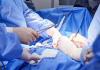
19:32, September 28 İHA: Turkish patient has tube inserted into left ear instead of right during surgery
-
15:10, September 28 Cell: Effects of Alzheimer’s risk gene APOE4 on the brain may be reversible

-
13:13, September 28 Translational Psychiatry: “Fluctuating” brain signals linked to excess weight

All materials
The Lancet Oncology: Infections Account for One in Eight Cancer Diagnoses Worldwide

Just five infectious agents are responsible for almost all infection-related cancer cases — more than 2 million new cancer diagnoses each year, or roughly one in eight cancer cases worldwide. The study was published in The Lancet Oncology.
According to estimates by researchers led by cancer epidemiologist Harriet Rumgay, around 2.3 million new cancer cases in 2024 were associated with infections, accounting for 12% of all cases. Two pathogens account for the largest shares: Helicobacter pylori, the bacterium that causes stomach cancer, was associated with around 760,000 cases, or 4% of all cancers, while human papillomavirus (HPV) was linked to around 750,000 cases, also 4%. They were followed by hepatitis B virus, responsible for around 2% of cases, Epstein-Barr virus, at around 1%, and hepatitis C virus, at less than 1%.
The key point is that many of these cancers are preventable. Vaccines are available against HPV and hepatitis B, H. pylori infection can be detected and treated with antibiotics, and hepatitis C can now be cured with antiviral medications. This means that a substantial proportion of these more than 2 million cases could, in principle, be prevented.
The problem is particularly acute in low- and middle-income countries: around three-quarters of infection-related cancers occur in these countries, while East Asia alone accounts for 42% of the global total. Access to vaccination, screening, and treatment is also generally more limited in these regions. The authors emphasize that expanding vaccination, screening, and treatment of infections is one of the most practical ways to reduce the global burden of cancer, particularly in areas where that burden is greatest.
The link between infections and cancer has long been known, but its scale is often underestimated: people tend to think of cancer as a disease of genes and lifestyle, overlooking the role of microbes and viruses. Yet the infectious origin of some cancers makes them uniquely preventable. Widespread HPV vaccination of girls and boys, hepatitis B vaccination during infancy, and programs to detect H. pylori and hepatitis C could ultimately save millions of lives.
Follow NEWS.am Medicine on Facebook and Twitter



- Most read
month
week
day
- Experimental RNA therapy may help prevent muscle loss during GLP-1 weight loss 946
- Armenian pediatric oncologist Gevorg Tamamyan has been nominated by Botswana for the position of WHO Director-General 813
- Study links overcrowding in emergency departments to hundreds of deaths each week 769
- Scientists develop device to obtain live cells from suspicious tissue for early cancer detection 765
- Breath test may help distinguish cancerous lung nodules from benign ones, study finds 753
- Introduction of solid foods triggers early functional changes in the infant gut microbiome 744
- Magnetic bacteria extend worms’ lifespan by more than 43%, study finds 741
- Chronic pain after cesarean delivery can affect women for years, study finds 710
- GLP-1 Drugs Linked to Nutritional Deficiencies in Nearly 1 in 6 Children 647
- Lund University receives $19.4 million NIH grant to develop Alzheimer’s blood test 641
- Virtual forest walk and classical music accelerated blood pressure reduction in emergency patients 638
- Could Earth’s magnetic field affect the aging process? 638
- Study: Loneliness and social isolation may cost up to six years of healthy life 619
- AI from Spain improves dermatological diagnosis 564
- NEG: 71% of People with Pulmonary Nodules Are Non-Smokers 519
- Find us on Facebook
- Poll