


- Latest news▼
-
20:56, October 23 Nubar Afeyan’s Company Tests Skin Cancer Vaccine: Risk of Recurrence Falls by 42%

-
18:49, October 23 bioRxiv: Cholesterol May Interfere with the Brain’s Ability to Clear Toxic Proteins
-
16:56, October 23 PLOS One: A Short Strength-Training Routine Improved Balance and Strength in Adults Over 65

-
14:50, October 23 A Simple 15-Minute Procedure Helped Patients with Carpal Tunnel Syndrome Avoid Surgery

-
12:53, October 23 Scientists Rejuvenate Cells by More Than 60 Years for the First Time

-
10:47, October 23 WHO Comments on First Documented Human Death Linked to Shamonda Virus

-
08:24, October 23 A Single Tooth Can Reveal Six Types of Information About a Person, Including Their Health

-
20:34, October 22 Medical Xpress: Hypnosis and Psychotherapy May Help Relieve Chronic Abdominal Pain in Children

-
18:51, October 22 Nature: Cold Triggers Muscles to Produce Protective Metabolite BH2

-
16:45, October 22 Nature: Hantavirus Enters Human Cells Through a Groove in a Receptor-Binding Protein

-
14:48, October 22 First Human Case of Shamonda Virus Infection Recorded in France

-
12:43, October 22 Chinese Scientists Develop a One-Gram Device for Monitoring Brain Activity

-
10:55, October 22 LSD does more than disrupt brain rhythms: It speeds them up and increases signal complexity

-
08:42, October 22 The Journal of Nutrition: Women Who Eat Oily Fish Have a 19% Lower Risk of Death from Stroke

-
23:27, October 21 Nine-year study links changing loneliness patterns to increased heart disease risk

All materials
Scientists Identify a Potential Therapeutic Target for One of the Most Common Liver Diseases
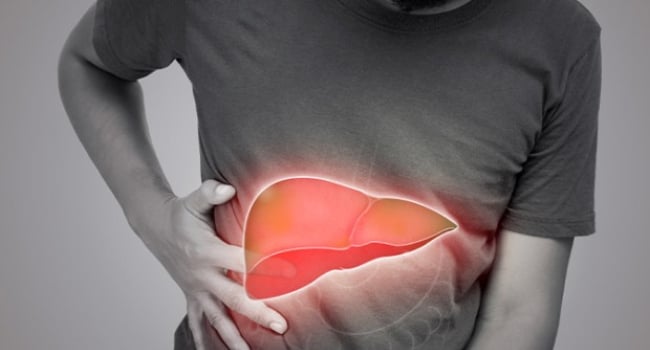
Scientists at the University of Barcelona have identified a protein that may play an important role in the development of metabolic dysfunction-associated steatotic liver disease (MASLD), one of the most common chronic liver diseases worldwide. The study found that mice lacking this protein were protected against fat accumulation in the liver, inflammation, and scar tissue formation. The discovery could help pave the way for new treatments for the disease.
The findings were published in the journal Metabolism. The researchers investigated a protein called ENT1, which transports small molecules known as nucleosides across cell membranes. These molecules are involved in various cellular processes. The scientists focused particularly on adenosine, which plays a role in regulating inflammation and cellular responses to stress.
MASLD develops in association with metabolic disorders, including obesity, and is characterized by excessive fat accumulation in the liver. In severe cases, the disease can progress to advanced fibrosis and liver cancer. However, the mechanisms underlying its development are not yet fully understood.
In experiments involving mice, the researchers compared animals with and without the ENT1 protein. They found that mice lacking ENT1 had lower levels of adenosine in the liver, along with reduced fat accumulation, inflammation, and fibrosis. These mice also showed improved glucose tolerance and increased insulin sensitivity. This suggests that ENT1 may affect not only liver health but also metabolism throughout the body.
The researchers also analyzed liver biopsies from patients and examined gene activity data. They found that ENT1 expression changed as the disease progressed. Expression levels were elevated in the early stages but declined as the disease advanced. The authors suggest that increased ENT1 activity in the early stages may promote the transport of adenosine into liver cells, contributing to pathological changes.
Among patients with early-stage MASLD, higher ENT1 expression in the liver was also associated with elevated insulin levels and a higher HOMA-IR index, a measure used to assess insulin resistance.
Follow NEWS.am Medicine on Facebook and Twitter

- Related News
- A Single Tooth Can Reveal Six Types of Information About a Person, Including Their Health By combining several analytical methods, we aimed to obtain as much information as possible from a single tooth...
- Medical Xpress: Hypnosis and Psychotherapy May Help Relieve Chronic Abdominal Pain in Children Symptoms can be severe even when medical examinations reveal no underlying organic cause. Swedish researchers are investigating whether hypnosis can help these patients...
- Pancreatic Cancer Can Change Its “Genetic Strategy”: Study Identifies Key Mechanisms According to the authors, nearly 85% of patients with this disease die within five years of diagnosis...
- eClinicalMedicine: More Than 40% of Women with Autoimmune Diseases Have Experienced a Misdiagnosis of a Psychiatric Condition Among women, 43% reported that their symptoms had previously been incorrectly attributed to psychiatric causes...
- LGH: The effect of aspirin on colorectal cancer may depend on the stage of the disease After treatment, participants took either aspirin or a placebo daily for up to three years...
- Video




- Event calendar
- Archive
- Most read
month
week
day
- Cardiologists Urge Inclusion of Physical Exercise in Heart Disease Prevention 562
- Why Some People Avoid Alzheimer’s Despite Carrying a High-Risk Gene 313
- Nine-year study links changing loneliness patterns to increased heart disease risk 303
- LSD does more than disrupt brain rhythms: It speeds them up and increases signal complexity 302
- Tea May Benefit Heart Health — but Drinking It Scalding Hot Could Be Risky 297
- PLOS: Yogurt and Canned Beans May Help Reduce the Risk of Colorectal Cancer 270
- AJOG: Birth Weight Is Linked to Later Performance in Math and Reading 209
- Noise-Canceling Headphones Reduced the Risk of Nausea After Gynecological Surgery by 32% 205
- SciRep: Walking More Than 8,000 Steps a Day Is Linked to Better Attention 191
- Anesthesiology: Noise-Canceling Headphones Reduce the Risk of Nausea After Anesthesia 177
- Nature: AI Links Brown Fat to Heart, Vascular, and Mental Health 171
- Polyphenols in coffee and fruit linked to lower risk of telomere shortening 166
- Postoperative Monitoring Apps Reduced Hospital Readmissions by 15% 154
- Scientists Unveil Scanner That Captures Whole-Body Images in Just 60 Seconds 153
- HealthDay: Strength Training After 60 Helps Strengthen Bones and Maintain Brain Health 142
- Find us on Facebook
- Poll