


- Latest news▼
-
14:52, November 10 Nature: 72 Previously Unknown Genetic Variants May Be Linked to Autism

-
12:47, November 10 Health Psychology: Loneliness May Accelerate Biological Ageing by Three Months

-
10:50, November 10 Named: The Group of People Who May Benefit from Vitamin C to Prevent Colds

-
08:36, November 10 WHO: Six Climate Measures Could Save 1.6 Million Lives a Year
-
21:50, November 9 Study: Replacing Dairy Products with Plant-Based Alternatives May Pose Health Risks

-
19:53, November 9 Two New Ebola Vaccines Approved for Clinical Trials Amid Outbreak in Africa

-
17:46, November 9 RFI: Cholera Outbreak Reported in the Democratic Republic of the Congo

-
15:51, November 9 PNAS: Stress Related to COVID-19 Pandemic Accelerates Biological Aging

-
13:47, November 9 ARS: Broccoli Compound Sulforaphane Improves the Condition of Cell Models of Friedreich’s Ataxia
-
11:45, November 9 Nature Communications: Brain Networks Show Less Flexibility in Changing Connections Across Different Psychiatric Diagnoses
-
08:42, November 9 Scientists Discover Mechanism That Helps Prostate Cancer Become Resistant to Treatment
-
22:38, November 8 Scientists Create Detailed Genetic Map of Tuberculosis Bacterium That Could Help Develop New Antibiotics
-
20:45, November 8 Scientists Find Way to Provide Long-Term Relief from a Hormonal Cause of High Blood Pressure in Some Patients

-
18:43, November 8 Neuron: The Brain May Fail to Consolidate Memories During Sleep Even When Sleep Appears Normal

-
16:37, November 8 Scientists Evaluate Methods for Detecting Rare DNA Mutations Linked to Aging and Cancer
All materials
Nature: 72 Previously Unknown Genetic Variants May Be Linked to Autism
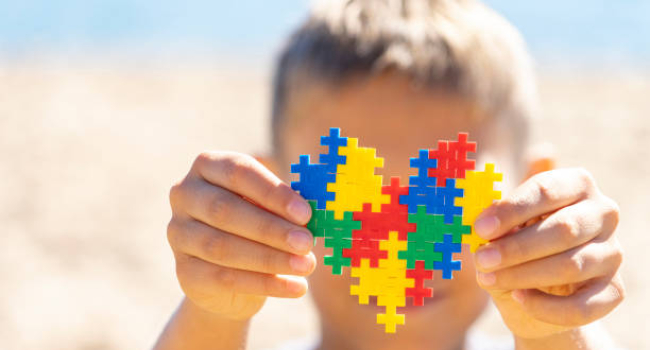
Scientists at the Donnelly Centre at the University of Toronto have identified previously unknown regions of DNA whose alterations may be associated with autism. These genetic variants may disrupt neuronal function and help explain some cases in which the underlying cause cannot be identified through standard genetic testing. The findings were published in the journal Nature.
The researchers focused on microexons – very short segments of genetic material that influence which proteins brain cells produce. The scientists developed a machine-learning model to identify these regions and determine how genetic changes might disrupt their function.
By analysing data from thousands of human tissue and individual cell samples, the researchers identified 1,514 previously unknown microexons. They then examined the genomes of participants in three major genetic studies involving more than 25,000 people from 7,391 families in total.
The scientists identified 72 rare genetic variants associated with autism. These variants were found in 2.5% of participants diagnosed with the condition and were not detected in their siblings without autism. Among carriers of these variants, 82% had previously had no genetic cause of their condition identified.
The researchers tested some of the identified alterations in human neurons grown in the laboratory. The experiments confirmed that these changes affect how cells use microexons.
The authors emphasize that the findings are currently based primarily on computational predictions and that the identified variants cannot, on their own, be used to diagnose autism. Furthermore, these genetic changes are found in only a small proportion of people with the condition.
Follow NEWS.am Medicine on Facebook and Twitter

- Video



- Event calendar
- Archive
- Most read
month
week
day
- Science Advances: Brain Activity May Predict Alzheimer's Disease Years Before Symptoms Appear 717
- Shockwave Therapy for Pain: Researchers Evaluate Treatments for Frozen Shoulder 679
- Banning Sweets Can Make Them More Tempting: How Parental Restrictions Shape Children's Eating Habits 663
- The Number of People with Anorexia and Bulimia Could Reach 21.8 Million by 2050 614
- Dietitians Name a Heart-Healthy Alternative to Red Meat 611
- AJA: Tight Underwear Linked to Impaired Sperm Motility and Morphology 599
- WHO: One in Four Adolescents Worldwide Does Not Engage in Physical Activity Even One Hour a Week 566
- Why Do Different Mutations Lead to Autism? Scientists Identify a Common Mechanism 565
- Frontiers: Crossed Brain Connections May Be an Evolutionary Legacy of Ancient Vision 559
- Nature Medicine: Cervical Cancer Deaths Projected to Rise by 39.3% by 2050 532
- Journal of Neurology: Long-Term High BMI Linked to Memory Decline 520
- Child Dies of Measles in New York State for the First Time in 30 Years 508
- One Pill Instead of Two Medications: New Approach Improves Diabetes Control 488
- It's Not Just Sleep Duration: Bedtime May Also Affect Body Weight 484
- JAHA: Avocados and Mangoes Improved a Measure of Blood Vessel Function 481
- Find us on Facebook
- Poll