make preferable
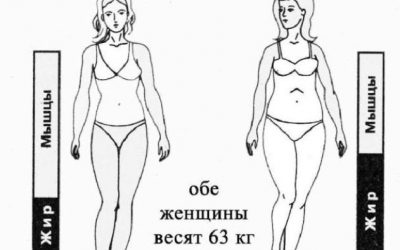
Researchers from City College of New York have developed a new way to measure the amount of fat in the body. It’s called A Body Shape Index (ABSI), and they say it’s a better tool to measure body fat than the well-known Body Mass Index (BMI).
The researchers think that BMI cannot really show if a person is overweight or obese, since an athlete’s BMI can be rather high because of his heavy muscles, yet an overweight person’s BMI can be normal if he has lightweight bones. So the researchers say ABSI is more reliable in predicting mortality because of excessive abdominal fat than BMI.
The study of Nir Krakauer and Jesse Krakauer from City College of New York, which was also published in PLOS ONE, analyzed data collected from the 7,011 adults who participated in Great Britain's first Health and Lifestyle Survey (HALS1) during the 1980s, and the follow-up survey, HALS2, which took place in 1992. The researchers found out that by 2009, 2,203 people from the sample population had died. So the researchers did a comparison between the deaths and the BMI and ABSI data taken from the surveys (which included waist circumference, waist-to-hip ratio, and waist-to-height ratio), and found out that excessive abdominal fat can cause a number of diseases and is really linked to risk of early death.
The thing is – BMI does not truly calculate the fat content in a person’s body, because it takes into account only the person's height and weight. That’s why it should not be used to predict if a person is healthy and has no risks associated with obesity. ABSI seems to be a more reliable way to find out if a person is obese, since it takes into account where the weight is concentrated.