make preferable
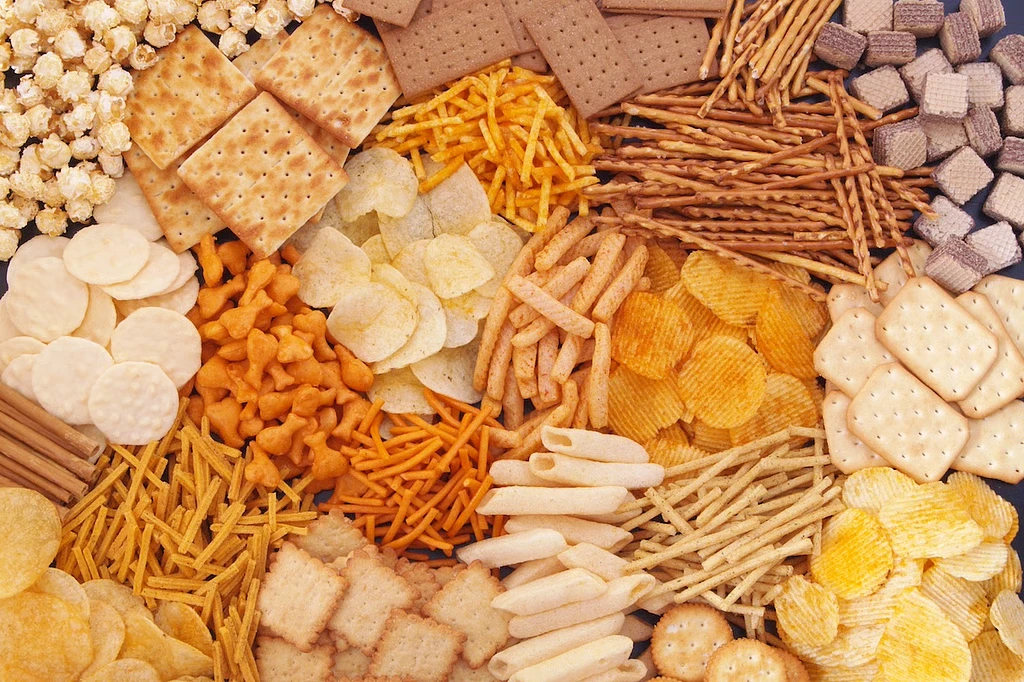
Adolescents who frequently eat chips, pretzels and other salty snacks may have a higher risk of developing inflammatory bowel disease. In contrast, eating fruit and fish during childhood and adolescence is associated with a lower likelihood of some of these conditions. These were the findings of researchers at the University of Gothenburg in Sweden. The study was published on November 23 in the journal Gut.
Inflammatory bowel disease (IBD), which includes Crohn's disease and ulcerative colitis, refers to chronic conditions involving inflammation of the digestive tract. Their prevalence is rising, and scientists suggest that aspects of the Western diet may play a role.
The researchers analyzed data from three large Scandinavian studies involving nearly 112,000 people born in the late 1990s and early 2000s. During childhood and early adolescence, participants provided detailed information about their eating habits. These data were then compared with information on diagnoses recorded through 2024.
Adolescents who ate large amounts of salty snacks were found to have a 32% higher likelihood of developing IBD than those who ate fewer of them. The association with ulcerative colitis was even stronger: the likelihood of this condition was 51% higher.
Meanwhile, eating large amounts of fruit during adolescence was associated with a 64% lower risk of Crohn's disease. However, the researchers found no similar association with ulcerative colitis. Children who ate fish more often had a 35% lower risk of Crohn's disease. This association was observed for fish consumption during childhood, but not during adolescence.
The authors emphasize that the study identified statistical associations but does not prove that eating habits themselves cause these diseases or prevent them from developing.
Nevertheless, there is a possible biological explanation for the findings. Fruit is rich in fiber, which promotes gut microbiome diversity. Beneficial microorganisms, in turn, produce short-chain fatty acids that can have anti-inflammatory effects.
Salty snacks, by contrast, may contain large amounts of saturated fat, which previous studies suggest can stimulate pro-inflammatory immune responses.