make preferable
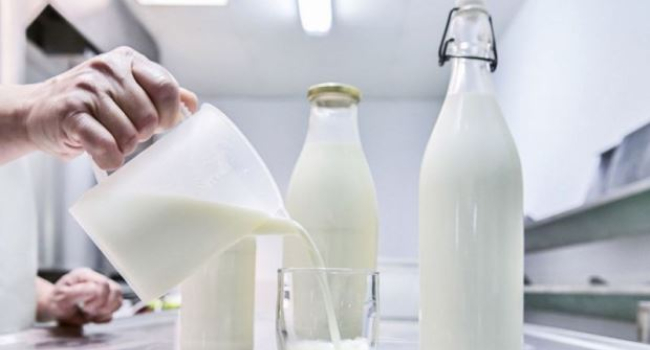
The popularity of raw milk online has surged over the past decade, The Conversation reports.
This trend is being driven by bloggers and influencers who claim that unpasteurized milk is healthier than regular milk. However, scientific evidence does not support most claims about its benefits, while the risk of infection with dangerous bacteria is well established.
Raw milk is milk from cows, sheep, goats, buffalo and other animals that has not been pasteurized. Pasteurization involves heating milk to 72 °C for at least 15 seconds to kill disease-causing microorganisms.
Unpasteurized milk can contain bacteria that cause serious illnesses, including Listeria and Salmonella. These infections can lead to severe complications and even death. Pregnant women, young children, older adults and people with weakened immune systems are particularly vulnerable.
In Australia, the sale of raw milk for human consumption is prohibited because of the associated risks. In 2009, experts considered lifting the requirement to pasteurize cow's milk but concluded that the health risks were too great. Exceptions exist for certain unpasteurized cheeses produced using other safety measures, as well as raw milk sold for cosmetic purposes. The latter must not be consumed.
Claims that raw milk has greater nutritional value are also not supported by research. Pasteurization does not reduce protein quality and has virtually no effect on mineral content, including calcium. Heating may slightly reduce levels of some heat-sensitive vitamins, but this does not significantly change the product's overall nutritional value.
There is also no convincing evidence that raw milk reduces the risk of cow's milk protein allergy, asthma or other allergic conditions. Although living in rural areas and exposure to farm environments are associated with lower rates of allergies in children, researchers believe this may be explained by a combination of environmental factors rather than the consumption of unpasteurized milk.
The claim that raw milk eases symptoms of lactose intolerance is also unsupported. A study found that, compared with pasteurized milk, it neither reduces symptoms nor affects the underlying mechanisms of the condition. Both types of milk contain lactose, and raw milk lacks lactase, the enzyme needed to break it down.
Raw milk advocates also describe it as a source of beneficial bacteria. However, these bacteria are present only in small numbers.
For example, the presence of bifidobacteria may indicate fecal contamination, as these microorganisms are normally found in large numbers in animals' intestines. The potential benefits of certain bacteria do not outweigh the risk of infection with disease-causing microorganisms.