make preferable
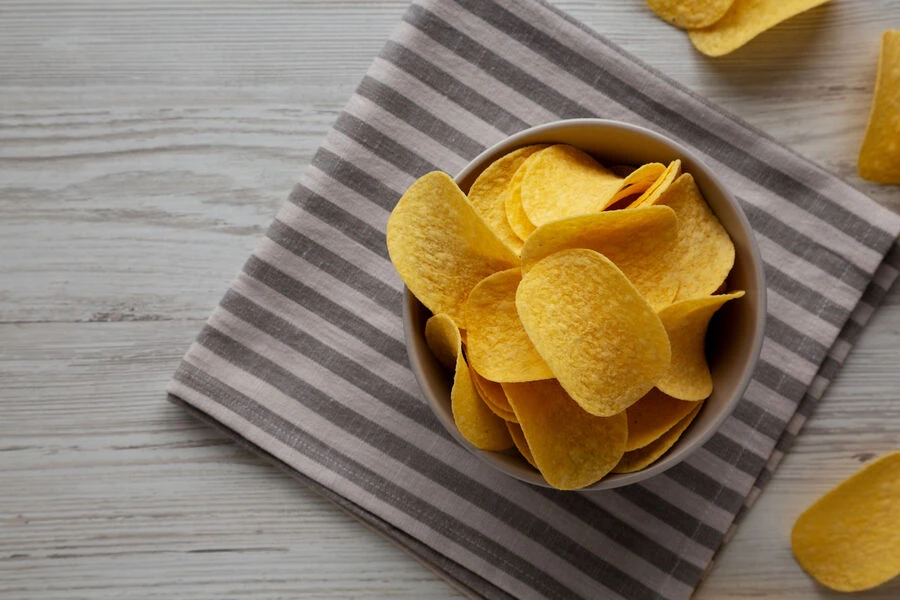
Frequent consumption of chips, pretzels and other salty snacks during adolescence may increase the risk of inflammatory bowel disease (IBD). Swedish scientists reached this conclusion after analyzing data from nearly 112,000 people. The findings were published in the journal Gut.
The researchers examined data from three large Scandinavian studies in which participants completed questionnaires about their diets during childhood and adolescence. The scientists then compared the volunteers' diets with information on diseases diagnosed by 2024.
They found that adolescents who frequently ate salty snacks were 32% more likely to develop IBD than those who ate them less often. The risk of ulcerative colitis—a condition in which inflammation affects the inner lining of the colon and rectum—was 51% higher. Fruit and fish, by contrast, had a protective effect.
Previous studies have shown that high salt concentrations in the gastrointestinal tract cause osmotic stress and inhibit beneficial microorganisms sensitive to salt, particularly lactobacilli (Lactobacillus). When lactobacilli become less abundant, the production of short-chain fatty acids (SCFAs), which nourish intestinal cells and help control inflammation, declines.
The authors emphasize that the study identified only statistical associations and does not prove that salty snacks directly cause IBD. Further research is needed to confirm the findings.