make preferable
The true causes of autism are not fully understood yet, but many health experts believe that genetics and environmental factors are to blame. Now a new study published in the journal PLOS Computational Biology has revealed that the environment may really play a significant role in formation of autism and a number of similar disorders, Fox News reports.
For this study, researchers from the University of Chicago examined medical records from more than 100 million people living in the United States and found out that there’s a link between genital malformations in newborn males (such as micropenis, hypospadias, undescended testicles and others) and autism rates. It turned out that autism rates increased by 283 percent for every 1 percent increase in frequency of congenital malformations.
“Malformations predict very strongly the rates of autism, and the rate of malformation per person varies significantly across the country,” said study author Andrey Rzhetsky, a professor of genetic medicine and human genetics at the University of Chicago. “Some counties have low rates and some have very high. And rate of malformations is higher in counties with higher rates of autism.”
Rzhetsky says that his study does not show that environmental factors are the true cause for autism; but he believes that the environment really plays a big role. After all, many malformations occur because of the environmental pollution.
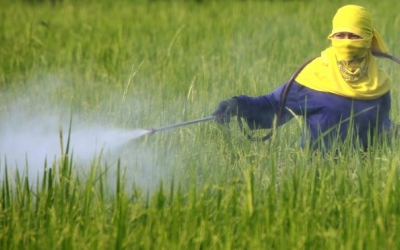
“Essentially what happens is during pregnancy there are certain sensitive periods where the fetus is very vulnerable to a range of small molecules – from things like plasticizers, prescription drugs, environmental pesticides and other things,” Rzhetsky said. “And some of these small molecules essentially alter normal development. It’s not really well known why, but it’s an experimental observation, especially in boys and especially in the reproductive system.”
Rzhetsky hopes his study will make the scientific community stop paying so much attention to genetic causes of autism and researching more environmental factors.