make preferable
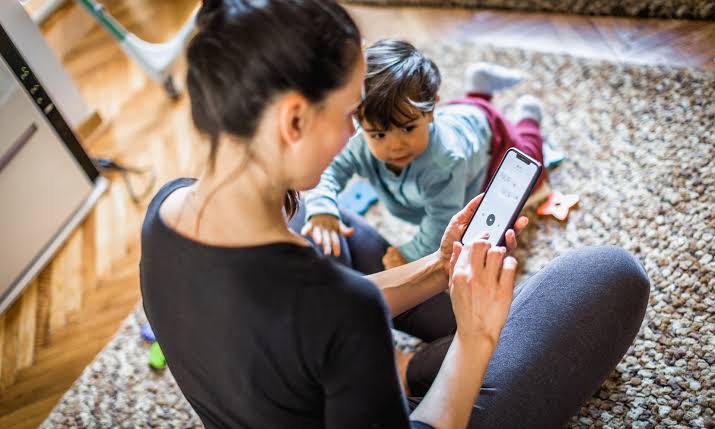
Parents' mobile phone use outside working hours is associated with poorer speech development in children. This was the conclusion of a study by RISE-Health and the University of Aveiro that analyzed the influence of family functioning and digital device use on preschool children's phonological development.
On Universal Children's Day, the study's authors warn that “parents' mobile phone use outside working hours, children's nighttime tablet use, and overly close, interdependent relationships are associated with delayed speech development in children.”
“Parents play a very important role in the opportunities for communication they create every day. Talking, playing, singing, and telling stories allow children to hear and try out speech sounds in meaningful situations. It is equally important to give children time to respond and take the initiative,” explains RISE-Health researcher Maria Inês Gomes, quoted in a press release, Euronews reports.
According to the study, “Screen Use and Family Functioning as Predictors of Phonological Development in Children,” which involved 93 families with children aged 3 to 5 who speak European Portuguese, “the impact depends not only on exposure time but also on the type of content and the context of use, as parents' attention being diverted to digital devices can reduce the number of face-to-face interactions that are vital for language development.”
The researcher also emphasizes that the findings “invite adults to reflect on their own digital habits and ensure there are moments when they are attentive and available to children, free from screen interruptions.”
Alongside mobile device use after work, excessive dependence between parents and children also appears to be associated with phonological development.
According to RISE-Health specialists, “overly insular family relationships with a high degree of dependence can limit children's autonomy and the variety of language contexts they participate in, which are necessary for practicing and mastering speech sounds.”
“When an adult frequently answers for a child or anticipates what they are going to say, there is less room for the child to participate, communicate, and develop their autonomy, particularly in terms of phonological development,” Maria Inês Gomes emphasizes.
According to the study coordinator, “developing accessible parenting support and digital literacy programs” in partnership with municipalities, academic institutions, and schools can help parents organize daily routines, select appropriate digital content, monitor device use, and create opportunities for conversation and play.