make preferable
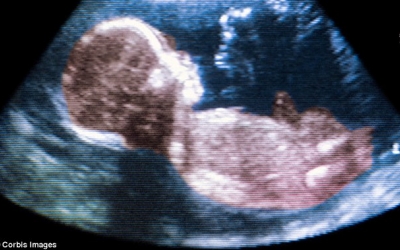
It’s often said you are what you eat. But it seems that what your mother ate is also important. Research points to a woman’s diet before she becomes pregnant affecting the genes of her future child.
What is more, pre-conception diet may have a life-long impact on the as yet unborn child’s health, Daily Mail reports.
Researcher Andrew Prentice, of the London School of Hygiene & Tropical Medicine, said: ‘The key message is that a mother’s nutrition before she becomes pregnant is super-critical.
The science is still in its infancy, but it could lead to women who want to start a family being advised to take a cocktail of vitamins and other food supplements ahead of pregnancy.
To pin down the effect of a mother’s diet on health, Professor Prentice studied women in rural West Africa, where the marked seasons lead to distinct changes in the foods eaten.
Working with colleagues from the Medical Research Council’s unit in the Gambia, he measured the concentration of various nutrients in the blood of nearly 170 newly-pregnant women.
Half had conceived at the height of the rainy season and half had become pregnant at the peak of the dry season.
He also scrutinised the DNA of their babies after they were born and quizzed other local women about their diet through the seasons. Crunching the results together showed a clear link between a woman’s diet and her child’s genes.
Crucially, it was what she ate before pregnancy that was important – not what eaten when carrying the child.
The difference involved ‘epigenetic’ changes to the baby’s DNA. These aren’t mutations but chemical changes that affect when genes become active and how active they are.
Not all of our genes are active all of the time, and if they are under or over-active, it can cause problems.
It is not known if the changes found here affect health but, in other work, Professor Prentice has found linked pre-pregnancy diet to the chemistry of genes involved in obesity, cancer and the immune system. Some changes can be erased over time, others are life-long.
Nutrients needed to make the chemical changes include vitamins B2, B6 and B12, as well as choline and methionine and folic acid. Professor Prentice said that while it is too early to give advice, good sources of these compounds include, milk, green, leafy vegetables and protein.