make preferable
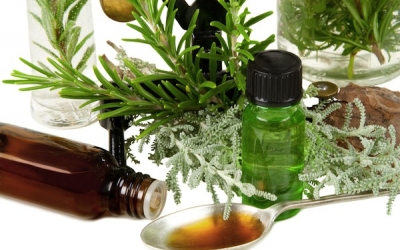
Almost everyone knows the dangers of opioid painkillers, which include addiction and an increased risk of dying, but over-the-counter drugs can be risky as well. Two of the most popular types of non-prescription drugs — acetaminophen (Tylenol) and ibuprofen (Advil) — can cause severe, even lethal side effects.
"A Scottish study found that people often take too much acetaminophen without realizing it, and even a little extra can cause liver damage that can kill you," Erika Schwartz, M.D., chief medical officer at the Age Management Institute in New York City, tells Newsmax Health. "In addition to damaging your liver, ibuprofen has the additional possibility of causing gastrointestinal bleeding."
Fortunately, there are effective natural alternatives derived from herbs and spices that fight either occasional or chronic pain without dangerous side effects. They include:
• Willow bark. Willow bark is a natural anti-inflammatory that's been used since the ancient Greeks. Willow bark contains salicin, a chemical similar to acetylsalicylic acid — the pain-relieving compound found in aspirin, as well as powerful anti-inflammatory flavonoids and phenols. According to the University of Maryland, there's good evidence that willow bark both relieves pain and reduces inflammation, and it may cause fewer gastrointestinal side effects than nonsteroidal anti-inflammatory drugs such as Advil. Several European countries have approved willow bark to treat numerous ailments including headache and arthritis. Willow bark can be bought as an extract or powdered in capsules.
Do you have a headache and would like for your "food to be your medicine and your medicine be your food?" Another source of salicylate can be found in a heaping portion of a spicy Indian dish such as vindaloo or phal could be the answer. A Scottish study at the Rowett Research Institute in Aberdeen found that common Indian spices are rich sources of salicylate. In fact, a single serving of hot curries contain much higher amounts of salicylate than an aspirin tablet. But the curries have to be hot to be helpful.
• Arnica. Arnica is a member of the sunflower family and has been used as a topical cream, ointment, or salve to ease pain for centuries. Athletes use it to relieve muscle soreness and strains, and it significantly reduces bruising. It's also used to reduce the swelling and pain of arthritic joints. A randomized, double-blind 2007 study found that arnica gel alleviated the pain of osteoarthritis of the hand as effectively as ibuprofen.
• Bromelain. A natural enzyme found in pineapples, bromelain appears to ease the pain of osteoarthritis. In fact, it was as effective as the anti-inflammatory drug diclofenac in reducing pain and stiffness with fewer side effects. Bromelain is available as a supplement in capsule form.
• Capsaicin. A derivative of chili peppers, capsaicin, which gives peppers their heat, soothes pain when applied to the skin. Studies have shown it to be helpful in relieving back pain as well as pain caused by arthritis, shingles, headaches, fibromyalgia, psoriasis, and diabetic neuropathy.
• Rose Hips. Numerous clinical studies have shown that rose hips significantly reduce the pain associated with arthritis of the hips, hands, and knees. One study, published in the journal Osteoarthritis and Cartilage, reviewed the records of over 300 patients who were given different pain-relieving medications for three months to ease their arthritis pain. Surprisingly, the researchers found that rose hip powder was almost three times more effective at relieving pain than acetaminophen (Tylenol). In addition, patients didn’t have the usual side effects associated with common pain medications, such as drowsiness and constipation. Available in herbal teas, rose hips can also be bought as a supplement in capsules.