
 make preferable
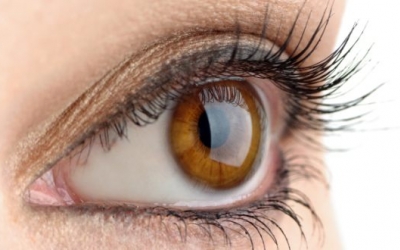
Breaking from the current methods of glaucoma monitoring, researchers from the University of Washington have developed a live-in eye sensor that could track intraocular pressure and provide real-time feedback whether or not a person risks the blinding set of eye diseases, Medical Daily reports.
Published in the Journal of Micromechanics and Microengineering, the study offers a potential breakthrough in how people monitor their risks for glaucoma, a hereditary set of eye diseases that damage the optic nerve and can eventually lead to blindness. Unfortunately, the only two methods currently available to people who want to check for glaucoma require visits to the ophthalmologist, making early and effective treatment difficult.
“The implementation of the monitoring device has to be well-suited clinically and must be designed to be simple and reliable,” said Tueng Shen, a collaborator and UW professor of ophthalmology, in a statement. Shen and her colleagues discovered the key to keeping tabs on glaucoma came in a tiny sensor, which physicians would implant into a person’s eye during cataract surgery. Much like a person’s blood pressure or heart rate, pressure on the eye fluctuates by the minute. Understanding the risk for glaucoma involves a long-term evaluation, which can only come through persistent tracking.
The sensor works by using radio frequency for wireless power and data transfer. Around the perimeter of the device is a small antenna, which picks up surrounding energy and powers a nearby pressure sensor chip. A receiver then receives the chip’s signals, learning about any frequency, or pressure, difference. Senior author and professor of electrical engineering, Karl Böhringer, said the data can then be sent to a person’s handheld device or possible his or her smartphone.
Currently, the prototype is still too large to fit into an artificial lens. (The team has only developed a model for cataract surgery, meaning patients with healthier eyes aren’t yet eligible, in theory.) Their plan, however, argues the sensor’s viability comes from its prevention efforts. Rather than undergo multiple surgeries in the future, implanting the sensor on the first cataract procedure would allow consistent feedback to forestall complications later.





