make preferable
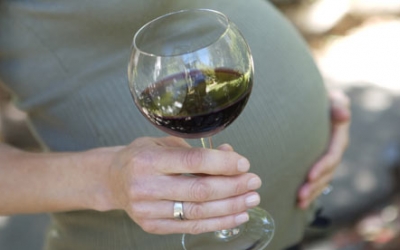
The 'healthy' ingredient of red wine may damage unborn babies, researchers have warned.
Resveratrol - a natural compound found in red grape skin - has been hailed as a 'wonder chemical' which does everything from reduce heart disease, help tackle obesity, improve memory and even prevent tooth cavities, Daily Mail reminds.
But new research suggests it may damage the pancreas of unborn babies.
The study, published in the journal FASEB, showed that resveratrol improved blood flow through the placenta of macaque monkeys and protected against harmful aspects of obesity - but injured the foetal pancreas.
The authors believe the study has direct relevance to human health because of the widespread belief that red wine has health benefits and the fact it is readily availble over the counter as a supplement.
Dr Kevin Grove, a diabetes, obesity and metabolism researcher at the University of Portland, Oregon, said: 'The important message in this study is that women should be very careful about what they consume while pregnant, and they should not take supplements, like resveratrol, without consulting with their doctors.
'What might be good for the mother may not be good for the baby.'
Previous research has found that a glass of wine in the evening boosts a woman's chances of becoming pregnant quickly.
Those who drink a moderate amount of red or white wine stand a better chance of conceiving within two months than women who prefer beer and spirits, or do not drink at all.
Of nearly 30,000 pregnant women, researchers found half conceived in the first two months of trying, while 15 per cent had to wait at least a year.
But those who regularly drank wine were almost a third less likely to wait more than a year. They stood 23 per cent less chance of waiting longer than two months before conceiving than teetotallers, or beer or spirit drinkers.
Mette Juhl, of the Danish Epidemiology Science Centre, who led the research, said: 'It shows a link between fertility and wine drinking.
'We don't know exactly why wine drinkers become pregnant quicker. It could be something in the wine, or, for example, that wine drinkers have healthier diets,' she added.