make preferable
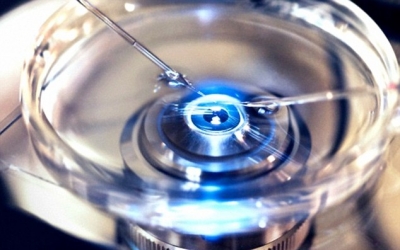
A research team from Queen's University in Canada has identified a method of inducing fertilization using a synthetic version of the protein PAWP found in sperm cells.
"PAWP is able to induce embryo development in human eggs in a fashion similar to the natural triggering of embryo development by the sperm cell during fertilization," says Dr. Oko of the Biomedical and Molecular Sciences department.
According to the Centers for Disease Control and Prevention's 2013 Annual Report on Assisted Reproductive Technologies, success rates for treatment are a disappointing 37 percent.
Researchers involved in the Queen's University study believe sperm cells' inability to initiate fertilization and trigger embryo development upon entering the egg account for much of the failure in ART and are hopeful their method could increase the rate of successful pregnancies.
The study was published in the journal of the Federation of American Societies for Experimental Biology (FASEB).