make preferable
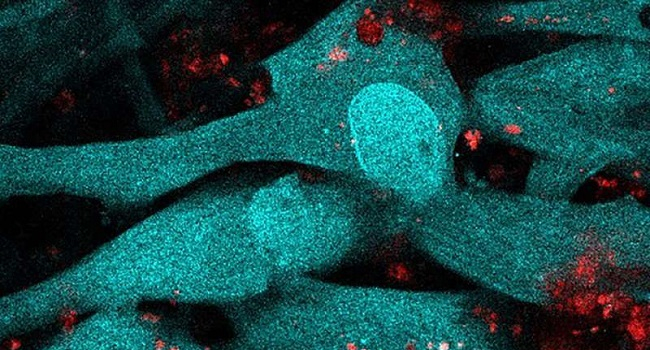
A team of researchers from the Gulbenkian Institute found that brain cells can detect the presence of malaria parasites in the blood, causing the inflammation that underlies cerebral malaria. Cerebral malaria is a severe complication of infection with Plasmodium falciparum, the deadliest of the parasites that cause malaria. This form of the disease is manifested by impaired consciousness and coma and affects mostly children under 5 years of age, being one of the leading causes of death in this age group in sub-Saharan Africa. Those who survive often suffer debilitating neurological sequelae such as motor deficits, paralysis, speech, hearing and vision disorders. To prevent certain cells from entering the brain that might disrupt its normal functioning, the cells of the inner lining of the blood vessels, the endothelial cells, fit tightly together to form a barrier between the blood and that organ. Cerebral malaria results from a rampant inflammatory response to infection, which leads to significant changes in this barrier and, consequently, to neurological complications. A new study led by the Gulbenkian Institute, the results of which were published in the journal Proceedings of the National Academy of Sciences, showed that endothelial cells in the brain play a crucial role by being able to sense infection by the malaria parasite at an early stage. The scientists noted that they usually attribute this initial phase of the response to infection to the cells of the immune system. They are already known to respond, but cells in the brain and possibly other organs also have this ability to sense infection because they have the same sensors. To come to these conclusions, the researchers used mice, mimicking some of the symptoms described in human malaria, and a system of genetic manipulation that allowed them to remove this sensor in several cell types. When they removed this sensor in brain endothelial cells, they found that the animals' symptoms were less severe and they died less from the infection.
Scientists from Gulbenkian Institute find out how brain recognizes cerebral malaria infection