
 make preferable
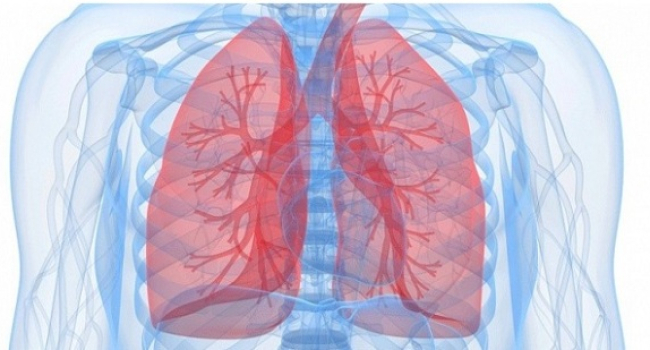
Scientists have discovered an unexpected link between microbial exposure and the lungs’ ability to resist allergies. A study, published in Nature Immunology, showed that even small fragments of bacteria or viruses can “train” lung tissue to defend against allergic reactions for several months.
The rise in allergic diseases and asthma in developed countries has long prompted scientists to investigate why some people become allergic while others do not.
One hypothesis suggests that contact with microorganisms early in life helps the immune system develop properly. However, until now, the mechanism behind this effect remained unclear.
In the new study, researchers conducted a series of experiments in mice. The animals’ lungs were exposed to fragments of bacteria or viruses that trigger a so-called type 1 immune response—a natural defense reaction of the body to infection.
When the animals were later exposed to an allergen, their bodies showed almost no reaction. Moreover, if the contact with microbial fragments occurred in advance, the protective effect persisted for more than three months.
Without such “preparation,” the body responded much more strongly to the allergen. Eosinophils—immune cells that play a key role in allergic inflammation—accumulated in the lungs. Upon repeated exposure to the allergen, the reaction became even more pronounced.
The most surprising finding was where this protective “memory” is stored. It turns out that it is not formed by classic immune cells such as B or T lymphocytes, but by ordinary structural cells of lung tissue—fibroblasts. Under the influence of microbial signals, these cells undergo epigenetic changes that block the activity of a gene responsible for producing a molecule that attracts eosinophils.
According to the researchers, this discovery could change the approach to allergy prevention. If it becomes possible to safely trigger this protective mechanism, it may be possible to prevent allergic diseases even before the first symptoms appear.





