make preferable
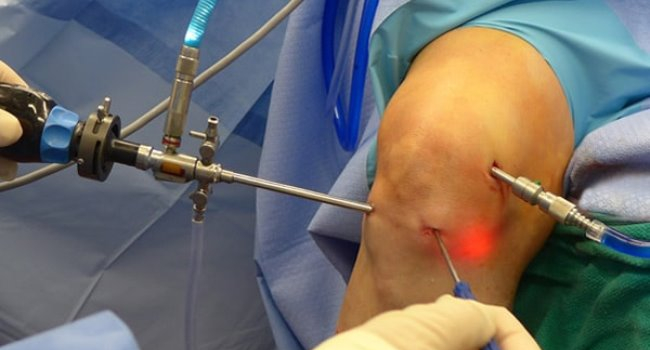
A widely performed surgical procedure for knee osteoarthritis may do more harm than good, according to new research from Finland published in The New England Journal of Medicine. The study suggests that removing damaged parts of the meniscus cartilage — a common operation known as partial meniscectomy — may worsen long-term knee health instead of improving it.
Researchers followed patients for 10 years and found that people who underwent meniscus removal surgery experienced more pain, poorer knee function, and greater progression of osteoarthritis compared to those who received a placebo-style procedure in which no cartilage was removed.
The meniscus is a C-shaped piece of cartilage that cushions the knee joint between the thigh bone and shin bone. While tears can result from sudden injury, they are also very common with aging and often occur alongside osteoarthritis.
For years, doctors believed meniscus tears were the primary cause of knee pain. However, researchers now argue that these tears may simply be one sign of broader joint degeneration rather than the direct source of pain.
Teppo L.N. Järvinen of the University of Helsinki, the study’s senior investigator, said growing evidence suggests medicine may have focused on the wrong target. According to him, many middle-aged and older adults have meniscus tears without any symptoms, making it unlikely that the tear alone explains chronic pain.
Orthopedic specialists say the findings reflect a broader trend in medicine, where commonly used treatments may continue for years before rigorous studies reveal limited effectiveness or even negative outcomes.
Experts now recommend prioritizing non-surgical approaches for most patients with knee osteoarthritis and routine meniscus tears. These include physical therapy, anti-inflammatory medications, rest, ice therapy, cycling, and injection treatments such as cortisone, hyaluronic acid, or platelet-rich plasma therapy.
Some surgeons still consider meniscus surgery appropriate in specific cases, particularly when the torn cartilage has shifted out of place and causes mechanical problems. In severe osteoarthritis, total knee replacement may sometimes be a better option.
Researchers also noted that participants in the placebo surgery group underwent diagnostic arthroscopy involving joint flushing with fluid. Some specialists believe this process itself may have temporarily reduced inflammation and pain, meaning the “sham” surgery may not have been entirely inactive.