
 make preferable
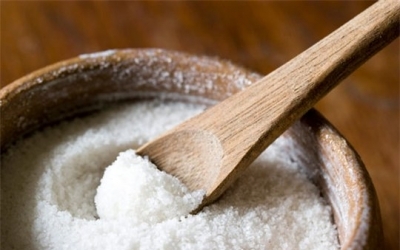
In yet another study that defies conventional dietary wisdom on salt, University of Iowa scientists have found that adding high salt to a high-fat diet may actually prevent weight gain. The findings, published in the journal Scientific Reports, add to mounting evidence that low-salt diets do little to prevent obesity, heart disease, and other chronic problems, and may even do more harm than good. The upshot: Fat, carbs, calories, and sugar aren’t the only factors to consider, when it comes to healthy diets that promote weight loss. "People focus on how much fat or sugar is in the food they eat, but [in our experiments] something that has nothing to do with caloric content — sodium — has an even bigger effect on weight gain," said Justin Grobe, assistant professor of pharmacology at the UI Carver College of Medicine and co-author of the study.
For the new study, the UI team fed groups of mice different diets: normal chow or high-fat chow with varying levels of salt (0.25 to 4 percent). To their surprise, the mice on the high-fat diet with the lowest salt gained the most weight — about 15 grams over 16 weeks. But the animals on the high-fat, highest-salt diet had low weight gain — about 5 grams. "The findings also suggest that public health efforts to continue lowering sodium intake may have unexpected and unintended consequences," said Grobe. The researchers suggested salt may somehow reduce the digestive system’s absorption of calories from foods, which is what leads to weight gain. Specifically salt levels affect the activity of an enzyme called renin, which is involved in regulating digestion. Certain diet pills — such as Alli (orlistat) — work by reducing digestive absorption of calories to treat obesity. Grobe said the new research could lead to the development of new anti-obesity treatments.
"This suppression of weight gain with increased sodium was due entirely to a reduced efficiency of the digestive tract to extract calories from the food that was consumed," explained Grobe.
"Most importantly, these findings support continued and nuanced discussions of public policies regarding dietary nutrient recommendations." The average American consumes between 3,000 and 3,500 mg per day of salt. The current federal Dietary Guidelines for Americans recommend that Americans eat no more than 2,300 mg per day — about the same amount as in a teaspoon — to cut the risk for high blood pressure. But recent research suggests up to 6,000 mg per day pose no risk for healthy people and that, in fact, individuals who consume less than 3,000 may be put their health at risk. Those findings, published by Boston University School of Medicine researchers in the journal JAMA Pediatrics, indicate eating 3,000-4,000 milligrams per day of salt has no adverse effect on blood pressure.





