


- Latest news▼
-
22:53, October 23 Scientists Use ChatGPT-Like Technology to Assess Stroke Risk From Human DNA
-
20:56, October 23 Nubar Afeyan’s Company Tests Skin Cancer Vaccine: Risk of Recurrence Falls by 42%

-
18:49, October 23 bioRxiv: Cholesterol May Interfere with the Brain’s Ability to Clear Toxic Proteins
-
16:56, October 23 PLOS One: A Short Strength-Training Routine Improved Balance and Strength in Adults Over 65

-
14:50, October 23 A Simple 15-Minute Procedure Helped Patients with Carpal Tunnel Syndrome Avoid Surgery

-
12:53, October 23 Scientists Rejuvenate Cells by More Than 60 Years for the First Time

-
10:47, October 23 WHO Comments on First Documented Human Death Linked to Shamonda Virus

-
08:24, October 23 A Single Tooth Can Reveal Six Types of Information About a Person, Including Their Health

-
20:34, October 22 Medical Xpress: Hypnosis and Psychotherapy May Help Relieve Chronic Abdominal Pain in Children

-
18:51, October 22 Nature: Cold Triggers Muscles to Produce Protective Metabolite BH2

-
16:45, October 22 Nature: Hantavirus Enters Human Cells Through a Groove in a Receptor-Binding Protein

-
14:48, October 22 First Human Case of Shamonda Virus Infection Recorded in France

-
12:43, October 22 Chinese Scientists Develop a One-Gram Device for Monitoring Brain Activity

-
10:55, October 22 LSD does more than disrupt brain rhythms: It speeds them up and increases signal complexity

-
08:42, October 22 The Journal of Nutrition: Women Who Eat Oily Fish Have a 19% Lower Risk of Death from Stroke

All materials
High-fat ketogenic diet may help protect the aging brain, research suggests
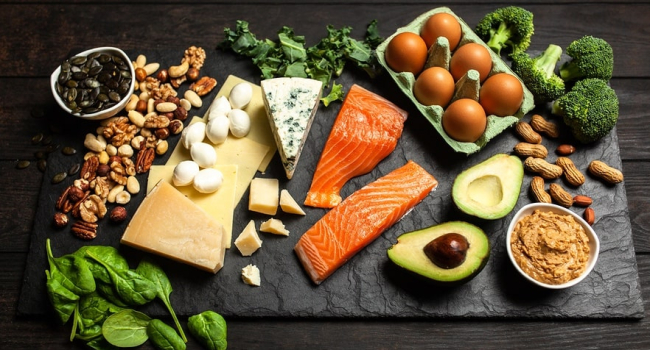
A growing body of research suggests that a high-fat, low-carbohydrate ketogenic diet (keto diet) may offer protective effects against neurodegenerative disorders such as Alzheimer’s disease, Parkinson’s disease, multiple sclerosis, Huntington’s disease, and ALS.
A recent review published in Translational Neurodegeneration examines studies from the past 15 years and concludes that the keto diet may influence brain health primarily by improving how the body generates and uses energy.
Under normal conditions, brain cells rely on glucose as their main fuel source. However, in many neurodegenerative diseases, glucose metabolism becomes impaired. The ketogenic diet shifts metabolism toward fat utilization, prompting the liver to produce ketone bodies—such as beta-hydroxybutyrate (BHB), acetoacetate, and acetone—which can serve as an alternative energy source for the brain.
These ketones help sustain neuronal energy supply, potentially supporting cellular repair and protective mechanisms. The diet may also beneficially alter the gut microbiome by reducing inflammation-associated bacteria while promoting microbial populations linked to improved intestinal barrier function.
Neurodegenerative diseases share common pathological features, including mitochondrial dysfunction, chronic inflammation, and oxidative stress, all of which contribute to progressive neuronal damage and cell death. The review suggests that ketone metabolism may counteract some of these processes.
Originally developed in 1921 by physician Russell Morse Wilder as a treatment for drug-resistant epilepsy, the ketogenic diet has since attracted interest as a potential therapeutic strategy for progressive neurological disorders. While current treatments mainly address symptoms rather than disease progression, the keto diet is being studied for its broader biological effects.
Beyond serving as an alternative fuel source, ketones may activate autophagy—the body’s cellular “cleanup” process—helping remove damaged proteins and dysfunctional cellular components associated with neurodegeneration. They may also reduce oxidative stress and dampen chronic inflammation in the brain.
Clinical findings, though still limited, report potential benefits. Patients with Alzheimer’s disease have shown improvements in memory, daily functioning, and quality of life. Individuals with Parkinson’s disease have reported increased energy, reduced fatigue, and better motor control. Similar trends have been observed in other neurological conditions.
However, researchers caution that adherence to the diet can be difficult due to its restrictive nature, and some individuals experience side effects such as fatigue, headaches, nausea, and dizziness during the initial adaptation phase, commonly referred to as the “keto flu.”
Overall, the review highlights the ketogenic diet as a promising but still experimental approach to supporting brain health in neurodegenerative disease. While early evidence is encouraging, further long-term clinical studies are needed to determine its safety, effectiveness, and practical use in medical settings.
Follow NEWS.am Medicine on Facebook and Twitter

- Related News
- The Journal of Nutrition: Women Who Eat Oily Fish Have a 19% Lower Risk of Death from Stroke The researchers analyzed data from 90,944 residents of Japan who were followed for an average of 20.8 years. During this period, 26,976 participants died...
- When Diet and Exercise Aren’t Enough: Who Can Benefit from Weight-Loss Medications? If dietary changes and increased physical activity fail to produce at least 5% weight loss, patients can discuss medication options with their doctor...
- More Fruit, Fewer Sugary Drinks: Study Finds Links to Adolescent Mental Health The researchers assessed symptoms of anxiety and depression using validated questionnaires...
- PLOS: Yogurt and Canned Beans May Help Reduce the Risk of Colorectal Cancer The researchers followed participants for 18 years, during which 10,075 cases of colorectal cancer were diagnosed...
- Scientists Discover How Hot Peppers Could Help Develop Safer Painkillers Previously, scientists believed that the receptor adopted roughly the same open state regardless of which stimulus triggered its activation...
- Video




- Event calendar
- Archive
- Most read
month
week
day
- Tea May Benefit Heart Health — but Drinking It Scalding Hot Could Be Risky 332
- Why Some People Avoid Alzheimer’s Despite Carrying a High-Risk Gene 327
- LSD does more than disrupt brain rhythms: It speeds them up and increases signal complexity 314
- Nine-year study links changing loneliness patterns to increased heart disease risk 309
- PLOS: Yogurt and Canned Beans May Help Reduce the Risk of Colorectal Cancer 278
- AJOG: Birth Weight Is Linked to Later Performance in Math and Reading 219
- Noise-Canceling Headphones Reduced the Risk of Nausea After Gynecological Surgery by 32% 212
- SciRep: Walking More Than 8,000 Steps a Day Is Linked to Better Attention 208
- bioRxiv: Cholesterol May Interfere with the Brain’s Ability to Clear Toxic Proteins 189
- Anesthesiology: Noise-Canceling Headphones Reduce the Risk of Nausea After Anesthesia 185
- Nature: AI Links Brown Fat to Heart, Vascular, and Mental Health 185
- Scientists Unveil Scanner That Captures Whole-Body Images in Just 60 Seconds 183
- Polyphenols in coffee and fruit linked to lower risk of telomere shortening 180
- Nubar Afeyan’s Company Tests Skin Cancer Vaccine: Risk of Recurrence Falls by 42% 179
- Postoperative Monitoring Apps Reduced Hospital Readmissions by 15% 173
- Find us on Facebook
- Poll