


- Latest news▼
-
22:53, October 23 Scientists Use ChatGPT-Like Technology to Assess Stroke Risk From Human DNA

-
20:56, October 23 Nubar Afeyan’s Company Tests Skin Cancer Vaccine: Risk of Recurrence Falls by 42%

-
18:49, October 23 bioRxiv: Cholesterol May Interfere with the Brain’s Ability to Clear Toxic Proteins

-
16:56, October 23 PLOS One: A Short Strength-Training Routine Improved Balance and Strength in Adults Over 65

-
14:50, October 23 A Simple 15-Minute Procedure Helped Patients with Carpal Tunnel Syndrome Avoid Surgery

-
12:53, October 23 Scientists Rejuvenate Cells by More Than 60 Years for the First Time

-
10:47, October 23 WHO Comments on First Documented Human Death Linked to Shamonda Virus

-
08:24, October 23 A Single Tooth Can Reveal Six Types of Information About a Person, Including Their Health

-
20:34, October 22 Medical Xpress: Hypnosis and Psychotherapy May Help Relieve Chronic Abdominal Pain in Children

-
18:51, October 22 Nature: Cold Triggers Muscles to Produce Protective Metabolite BH2

-
16:45, October 22 Nature: Hantavirus Enters Human Cells Through a Groove in a Receptor-Binding Protein

-
14:48, October 22 First Human Case of Shamonda Virus Infection Recorded in France

-
12:43, October 22 Chinese Scientists Develop a One-Gram Device for Monitoring Brain Activity

-
10:55, October 22 LSD does more than disrupt brain rhythms: It speeds them up and increases signal complexity

-
08:42, October 22 The Journal of Nutrition: Women Who Eat Oily Fish Have a 19% Lower Risk of Death from Stroke

All materials
Study: How Ultra-Processed Food Companies Convince Consumers Their Products Are "Healthier"
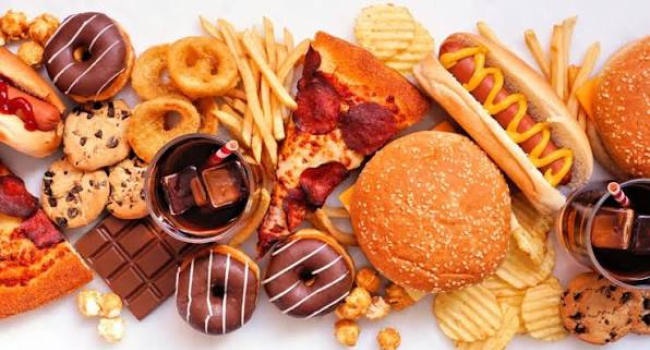
Companies producing ultra-processed foods (UPFs) often use marketing and communication strategies to persuade consumers and policymakers that their products are healthier than other ultra-processed foods, according to new research presented at the International Congress on Obesity (ICO2026), organized by the World Obesity Federation in Mexico City.
The preliminary study was conducted by researchers from the University of Nevada, Reno and the University of California, San Francisco. It examined how different sectors of the food and beverage industry respond to growing scientific concerns about the health effects of ultra-processed foods and how they attempt to shape the debate over their definition.
Ultra-processed foods are industrially manufactured products made largely from refined ingredients—such as starches, sugars, and fats—and various additives, including artificial flavors, colors, sweeteners, and emulsifiers. They typically contain little or no whole foods and have been linked to an increased risk of obesity, cardiovascular disease, and type 2 diabetes.
The researchers analyzed public comments submitted by food industry organizations after the U.S. government requested feedback in 2025 to help establish an official definition of ultra-processed foods for future research and public health policy.
The analysis found that, despite representing different sectors of the industry, most organizations advanced similar arguments. They claimed that ultra-processed foods are not inherently unhealthy, argued that food processing methods and additives are safe because they are already regulated, and promoted evaluating foods based on their nutritional composition and overall dietary patterns rather than the degree of processing.
Many industry groups also criticized the widely used NOVA food classification system, arguing that it conflicts with existing dietary guidelines and regulatory frameworks.
Researchers identified a particularly notable strategy among some manufacturers: distancing their own products from other ultra-processed foods by portraying them as healthier alternatives.
For example, companies producing plant-based products, dairy foods, and breakfast cereals argued that their products should not be grouped with foods such as potato chips, sugary drinks, confectionery, or processed meats.
Manufacturers also highlighted the potential health benefits of their products. Some promoted low- or no-calorie beverages as important sources of hydration, while cereal manufacturers pointed to studies suggesting that cereal consumption is associated with a lower risk of chronic diseases compared with some other processed foods.
The researchers also found that several organizations called for additional scientific evidence before introducing an official definition of ultra-processed foods. According to the authors, this reflects a common industry strategy of delaying regulatory action by arguing that more research is needed despite the substantial body of existing evidence linking ultra-processed food consumption to adverse health outcomes.
The authors concluded that while the food industry's overall messaging is largely consistent, some companies increasingly seek to distinguish their own products from what they describe as "unhealthy" ultra-processed foods in an effort to avoid negative classification.
"This strategy essentially amounts to saying, 'our ultra-processed food is healthier than theirs,'" the researchers noted.
Professor Laura Schmidt added that there is growing anticipation in the United States for the release of a long-awaited federal definition of ultra-processed foods, which has reportedly been prepared by the U.S. Department of Health and Human Services and is currently awaiting approval from the executive branch.
Follow NEWS.am Medicine on Facebook and Twitter

- Related News
- The Journal of Nutrition: Women Who Eat Oily Fish Have a 19% Lower Risk of Death from Stroke The researchers analyzed data from 90,944 residents of Japan who were followed for an average of 20.8 years. During this period, 26,976 participants died...
- When Diet and Exercise Aren’t Enough: Who Can Benefit from Weight-Loss Medications? If dietary changes and increased physical activity fail to produce at least 5% weight loss, patients can discuss medication options with their doctor...
- More Fruit, Fewer Sugary Drinks: Study Finds Links to Adolescent Mental Health The researchers assessed symptoms of anxiety and depression using validated questionnaires...
- PLOS: Yogurt and Canned Beans May Help Reduce the Risk of Colorectal Cancer The researchers followed participants for 18 years, during which 10,075 cases of colorectal cancer were diagnosed...
- Scientists Discover How Hot Peppers Could Help Develop Safer Painkillers Previously, scientists believed that the receptor adopted roughly the same open state regardless of which stimulus triggered its activation...
- Video




- Event calendar
- Archive
- Most read
month
week
day
- Tea May Benefit Heart Health — but Drinking It Scalding Hot Could Be Risky 332
- Why Some People Avoid Alzheimer’s Despite Carrying a High-Risk Gene 327
- LSD does more than disrupt brain rhythms: It speeds them up and increases signal complexity 314
- Nine-year study links changing loneliness patterns to increased heart disease risk 309
- PLOS: Yogurt and Canned Beans May Help Reduce the Risk of Colorectal Cancer 278
- AJOG: Birth Weight Is Linked to Later Performance in Math and Reading 219
- Noise-Canceling Headphones Reduced the Risk of Nausea After Gynecological Surgery by 32% 212
- SciRep: Walking More Than 8,000 Steps a Day Is Linked to Better Attention 208
- bioRxiv: Cholesterol May Interfere with the Brain’s Ability to Clear Toxic Proteins 189
- Anesthesiology: Noise-Canceling Headphones Reduce the Risk of Nausea After Anesthesia 185
- Nature: AI Links Brown Fat to Heart, Vascular, and Mental Health 185
- Scientists Unveil Scanner That Captures Whole-Body Images in Just 60 Seconds 183
- Polyphenols in coffee and fruit linked to lower risk of telomere shortening 180
- Nubar Afeyan’s Company Tests Skin Cancer Vaccine: Risk of Recurrence Falls by 42% 179
- Postoperative Monitoring Apps Reduced Hospital Readmissions by 15% 173
- Find us on Facebook
- Poll