


- Latest news▼
-
10:55, October 22 LSD does more than disrupt brain rhythms: It speeds them up and increases signal complexity

-
23:27, October 21 Nine-year study links changing loneliness patterns to increased heart disease risk

-
15:23, October 21 Tea May Benefit Heart Health — but Drinking It Scalding Hot Could Be Risky

-
13:25, October 21 Why Some People Avoid Alzheimer’s Despite Carrying a High-Risk Gene

-
10:47, October 20 SciRep: Walking More Than 8,000 Steps a Day Is Linked to Better Attention

-
08:32, October 20 Nature: AI Links Brown Fat to Heart, Vascular, and Mental Health

-
18:51, October 19 Oxytocin May Make Childhood Memories More Negative in People with Relationship Anxiety

-
16:48, October 19 Polyphenols in coffee and fruit linked to lower risk of telomere shortening

-
14:50, October 19 Anesthesiology: Noise-Canceling Headphones Reduce the Risk of Nausea After Anesthesia

-
12:44, October 19 PLOS: Yogurt and Canned Beans May Help Reduce the Risk of Colorectal Cancer

-
10:39, October 19 AJOG: Birth Weight Is Linked to Later Performance in Math and Reading

-
08:41, October 19 Postoperative Monitoring Apps Reduced Hospital Readmissions by 15%

-
23:12, October 18 Noise-Canceling Headphones Reduced the Risk of Nausea After Gynecological Surgery by 32%

-
18:17, October 18 HealthDay: Strength Training After 60 Helps Strengthen Bones and Maintain Brain Health

-
12:43, October 18 Scientists Unveil Scanner That Captures Whole-Body Images in Just 60 Seconds

All materials
Researchers develop new drug to treat children with severe eczema
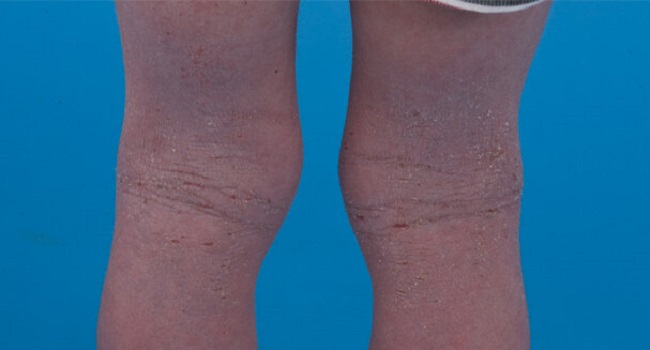
A biologic therapy for very young children with a moderate to severe form of a common skin disease, eczema, has been shown to be safe and effective in an international study involving clinical scientists at the University of Manchester.
Sponsored by biotech companies Regeneron and Sanofi, the study of dupilumab in poorly controlled eczema is the first large-scale study of a monoclonal antibody in any skin disease in patients aged six months to six years.
The study, the results of which are published in The Lancet, found that the drug significantly improved the severity of the condition by reducing skin itching and pain within two weeks.
Manchester-based principal investigator and academic pediatrician Dr. Peter Arkwright has been studying the use of dupilumab in children with severe eczema, also known as atopic dermatitis, at the Royal Manchester Children's Hospital Clinical Research Center since August 2015.
A total of 83 patients received a subcutaneous injection of dupilumab and 79 received a placebo every four weeks, and continued standard therapy with a low-potency steroid cream for 16 weeks.
The experts found:
- 28% of patients who received dupilumab achieved a global skin score of 0 or 1, meaning clear or nearly clear skin at 16 weeks.
- In 53% of patients, the Eczema Area and Severity Index (EASI) improved by 75% at week 16 from baseline.
- Conjunctivitis occurred slightly more frequently with dupilumab compared to placebo (5% vs. 0%), but no adverse events associated with dupilumab were serious and did not lead to discontinuation of treatment.
Eczema is a chronic inflammatory skin disease with a prevalence of 20% or higher in children younger than six years of age.
It is characterized by an itchy red rash, especially on the face and the bends of the elbows and knees, and an increased risk of skin infection.
Follow NEWS.am Medicine on Facebook and Twitter

- Video




- Event calendar
- Archive
- Most read
month
week
day
- Cardiologists Urge Inclusion of Physical Exercise in Heart Disease Prevention 541
- Frontiers: Poor Sleep May Increase the Risk of Breast Cancer by 30% 528
- Stem Cell Reports: Nicotine Exposure During Pregnancy Permanently Weakens Offspring’s Immune Systems 524
- Nature: Researchers Link Faster Wound Healing to Female Sex Hormones 502
- BJN: Asparagus extract helps improve sleep and reduce anxiety 461
- Science Corporation Implants Vision-Restoring Chip in First Patient With Stargardt Disease 446
- Nine-year study links changing loneliness patterns to increased heart disease risk 286
- Why Some People Avoid Alzheimer’s Despite Carrying a High-Risk Gene 279
- Tea May Benefit Heart Health — but Drinking It Scalding Hot Could Be Risky 267
- LSD does more than disrupt brain rhythms: It speeds them up and increases signal complexity 244
- Smartphone Habits Can Detect Stress With Up to 76% Accuracy, Scientists Find 243
- PLOS: Yogurt and Canned Beans May Help Reduce the Risk of Colorectal Cancer 214
- Noise-Canceling Headphones Reduced the Risk of Nausea After Gynecological Surgery by 32% 179
- AJOG: Birth Weight Is Linked to Later Performance in Math and Reading 179
- Anesthesiology: Noise-Canceling Headphones Reduce the Risk of Nausea After Anesthesia 161
- Find us on Facebook
- Poll