


- Latest news▼
-
12:47, October 7 Nature: Why Does the Immune System Stop Killing Dangerous “Zombie Cells”?

-
10:50, October 7 Nature: Why Does the Immune System Stop Killing Dangerous “Zombie Cells”?

-
08:44, October 7 Study: The Way a Person Speaks May Reveal Early Signs of Brain Aging

-
23:53, October 6 Study: One in Eight Cancer Cases Worldwide Is Linked to Preventable Infections

-
21:39, October 6 Sugar Exposure During the First 1,000 Days of Life Increases the Risk of Anxiety in Adulthood

-
19:56, October 6 Nature: AI Effectively Motivates Patients to Get Vaccinated
-
17:41, October 6 Cell: Vitamin D May Reduce Intestinal Inflammation

-
15:24, October 6 Scientists Find a Way to Rejuvenate Old Cells — Without Rewriting DNA

-
13:12, October 6 More Than 1,600 New Breast Cancer Cases Are Diagnosed in Armenia Every Year

-
08:39, October 6 NatCom: Losing belly fat slowed brain aging and protected memory

-
23:58, October 5 Dreaming: The more difficult the day, the more fear and anxiety appear in dreams

-
22:09, October 5 The 2026 Nobel Prize in Physiology or Medicine Recognized a Sequence of Discoveries

-
18:46, October 5 CanRes: The rate at which mutations accumulate in cells may determine cancer risk

-
14:06, October 5 Nobel Prize in Physiology or Medicine Awarded for Optogenetics

-
12:42, October 5 PNAS: The right hemisphere of the brain ages faster than the left

All materials
Frontiers: Certain Types of Spices May Help Ease Depression
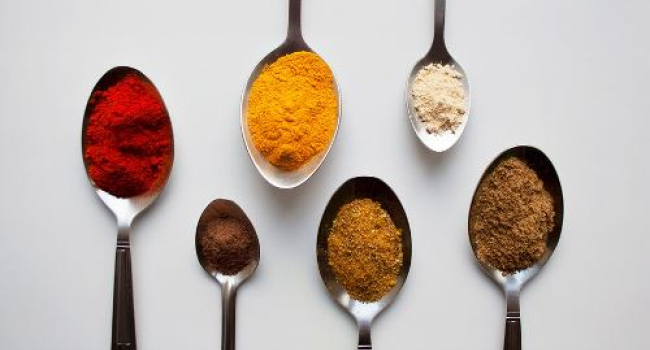
A team of researchers from Nanjing University of Chinese Medicine has found that turmeric, saffron, ginger, black pepper, and chili peppers can reduce the severity of depression symptoms by affecting neuroinflammation, oxidative stress, and neurotransmitter metabolism. The study results were published in Frontiers in Nutrition.
The specialists conducted a meta-analysis of experimental and clinical studies on the effects of spices on the brain. It showed that active plant compounds—such as curcumin, capsaicin, and piperine—have neuroprotective properties.
This means they reduce inflammatory processes in neural tissue, lower oxidative stress, and participate in regulating serotonin and dopamine, key neurotransmitters linked to mood.
The researchers paid particular attention to the gut–brain axis, a bidirectional system connecting gut microbiota with the central nervous system. Certain components of spices influence the composition of gut microbiota while simultaneously affecting emotional well-being. Scientists also hypothesize that these compounds may help maintain neuroplasticity, the brain’s ability to form new neural connections.
Unlike antidepressants, spices are consumed in small amounts as part of a regular diet, providing a gentle and multifaceted effect with a favorable safety profile. However, experts emphasize that the bioavailability of active compounds, optimal dosage, effectiveness, and potential side effects require further study.
Follow NEWS.am Medicine on Facebook and Twitter.
Follow NEWS.am Medicine on Facebook and Twitter

- Related News
- Current Developments in Nutrition: People with cardiovascular disease eat whole fruits less often
- Food & Function: Daily Consumption of 40 Grams of Walnuts Linked to Improved Overall Mood For eight weeks, participants either consumed 40 grams of walnuts daily with dinner or completely excluded walnuts and walnut-derived products.․․
- Food & Function: Peanuts Increase Brain Insulin Sensitivity in Older Adults The study's authors view these observed changes as potentially beneficial.․․
- Diabetes, Obesity and Metabolism: Feijoa Improved Blood Pressure in People with Prediabetes Over a six-month period, alongside a weight-loss program, participants received approximately one gram of feijoa powder per day or a placebo.․․
- CDN: Fruit Juice Does Not Lower Heart Disease Risk Like Whole Fruits The researchers suggest that the benefits of whole fruits may be related to their content of dietary fiber and polyphenols...
- Video




- Event calendar
- Archive
- Most read
month
week
day
- The 2026 Nobel Prize in Physiology or Medicine Recognized a Sequence of Discoveries 1275
- Study: Suicidal Ideation Among US Teens Began Rising Sharply After Nearly Two Decades of Decline 788
- WHO: Global Life Expectancy Has Almost Returned to Pre-Pandemic Levels 673
- Scientists Discover New Mechanism Linking Biological Clocks, Cold, and Fat Metabolism 668
- More Than 1,600 New Breast Cancer Cases Are Diagnosed in Armenia Every Year 645
- Sugar Exposure During the First 1,000 Days of Life Increases the Risk of Anxiety in Adulthood 632
- Dreaming: The more difficult the day, the more fear and anxiety appear in dreams 618
- Study: The Way a Person Speaks May Reveal Early Signs of Brain Aging 614
- Food & Function: Daily Consumption of 40 Grams of Walnuts Linked to Improved Overall Mood 596
- NatCom: Losing belly fat slowed brain aging and protected memory 567
- Study: One in Eight Cancer Cases Worldwide Is Linked to Preventable Infections 561
- CanRes: The rate at which mutations accumulate in cells may determine cancer risk 551
- Nobel Prize in Physiology or Medicine Awarded for Optogenetics 541
- Cell: Vitamin D May Reduce Intestinal Inflammation 540
- Nature: AI Effectively Motivates Patients to Get Vaccinated 526
- Find us on Facebook
- Poll