


- Latest news▼
-
23:31, October 16 Cardiologists Urge Inclusion of Physical Exercise in Heart Disease Prevention

-
21:29, October 16 Stem Cell Reports: Nicotine Exposure During Pregnancy Permanently Weakens Offspring’s Immune Systems

-
19:15, October 16 Frontiers: Poor Sleep May Increase the Risk of Breast Cancer by 30%

-
17:26, October 16 Nature: Researchers Link Faster Wound Healing to Female Sex Hormones

-
15:05, October 16 BJN: Asparagus extract helps improve sleep and reduce anxiety

-
10:55, October 16 Science Corporation Implants Vision-Restoring Chip in First Patient With Stargardt Disease

-
08:41, October 16 Smartphone Habits Can Detect Stress With Up to 76% Accuracy, Scientists Find

-
21:36, October 15 Cardiologists Urge Inclusion of Physical Exercise in Heart Disease Prevention

-
19:41, October 15 RPTH: One to Two Cups of Coffee a Day Linked to a 51% Lower Risk of Recurrent Venous Thromboembolism

-
17:50, October 15 JACH: Eating Breakfast May Improve Psychological Flexibility

-
15:42, October 15 A Simple Way to Blunt Blood Sugar Spikes After Meals
-
12:33, October 15 Scientists Discover a Longevity Gene That Extends Lifespan by 14%

-
10:37, October 15 WHO: Lead Poisoning Claims More Than 3.5 Million Lives Every Year
-
08:47, October 15 Why It Can Sometimes Be Impossible to Stop Laughing: Neuroscientists Identify Two Mechanisms Behind Laughter

-
21:24, October 14 Molecular Cell: Bacteria Hide an Unusual Defense Mechanism That Activates When a Virus Attacks
All materials
“Like Science Fiction”: A New Era of Immunotherapy Is Transforming Cancer Treatment
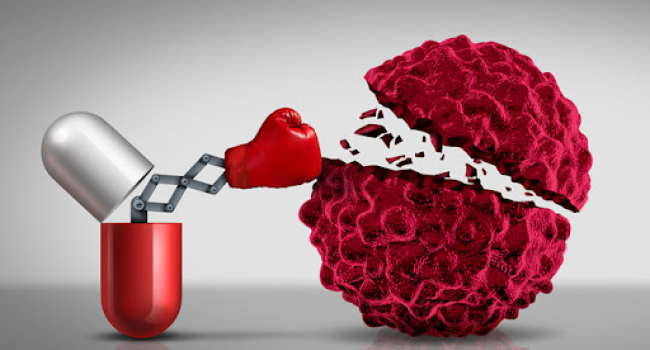
After nearly a century of research, treatments that harness the immune system to fight cancer are finally delivering remarkable results—saving lives and, in some cases, eliminating tumors entirely, BBC reported.
When 71-year-old Maureen Sideris was first treated for colon cancer in 2008, she underwent surgery followed by a difficult recovery. Years later, after being diagnosed with oesophageal cancer, her experience was completely different. This time, she joined a clinical trial and received regular infusions of a drug called dostarlimab.
Within just four months, her tumor disappeared—without surgery, chemotherapy, or radiation. Apart from fatigue caused by adrenal insufficiency, she experienced minimal side effects. The outcome felt “almost like science fiction,” she said.
Stories like hers are becoming more common as immunotherapy reaches a turning point in modern medicine.
According to Jennifer Wargo from MD Anderson Cancer Center, the results are extraordinary: patients are not only surviving but maintaining a good quality of life—and in some cases, achieving complete remission.
How Immunotherapy Works
The immune system naturally identifies and destroys abnormal cells. However, cancer can evade detection by disguising itself as healthy tissue. Immunotherapy aims to expose these hidden cancer cells and strengthen the immune response against them.
Two of the most widely used approaches are:
CAR T-cell therapy – where a patient’s immune cells are modified to better recognize and attack cancer (mainly used for blood cancers)
Checkpoint inhibitors – drugs that remove the “brakes” on the immune system, allowing it to attack tumors more effectively
This breakthrough was so significant that its pioneers were awarded the Nobel Prize in Physiology or Medicine.
Challenges and Limitations
Despite its promise, immunotherapy is not universally effective. Only about 20–40% of patients respond to current treatments. Some cancers—especially solid tumors—remain difficult to treat.
Side effects can also occur. By activating the immune system, these therapies may lead it to attack healthy tissues, causing fatigue, skin reactions, or inflammation of organs.
New Strategies to Improve Results
Scientists are exploring ways to make immunotherapy work for more patients:
* Diet may play a role: high-fiber intake could improve outcomes via changes in gut bacteria
* Common medications like statins might enhance treatment effects
* Timing of therapy could influence effectiveness
* Combining immunotherapy with radiation or ultrasound may make tumors more visible to the immune system
Researchers like Sandra Demaria emphasize a shift toward personalized medicine—treating the individual rather than just the disease.
Breakthrough Clinical Results
At Memorial Sloan Kettering Cancer Center, scientists tested immunotherapy on patients with specific genetic tumor profiles. In many cases, tumors disappeared completely.
Out of more than 100 patients who completed treatment, the majority saw full remission, with only a few needing surgery afterward.
However, this approach currently applies to only a small percentage of cancers, meaning further advances are needed.
The Future: Cancer Vaccines
Another promising direction is therapeutic cancer vaccines. Unlike traditional vaccines that prevent disease, these aim to train the immune system to recognize and destroy existing tumors.
Early trials from Dana-Farber Cancer Institute show encouraging results. In a small study, personalized vaccines helped patients remain cancer-free years after treatment.
A New Chapter in Cancer Care
Although challenges remain, immunotherapy is already transforming oncology. It offers a future where treatments are less invasive, more precise, and potentially curative.
As researchers continue to refine these approaches, many believe cancer care is entering a new era—one where the immune system itself becomes the most powerful weapon against the disease.
Follow NEWS.am Medicine on Facebook and Twitter

- Related News
- Pancreatic Cancer Can Change Its “Genetic Strategy”: Study Identifies Key Mechanisms According to the authors, nearly 85% of patients with this disease die within five years of diagnosis...
- eClinicalMedicine: More Than 40% of Women with Autoimmune Diseases Have Experienced a Misdiagnosis of a Psychiatric Condition Among women, 43% reported that their symptoms had previously been incorrectly attributed to psychiatric causes...
- LGH: The effect of aspirin on colorectal cancer may depend on the stage of the disease After treatment, participants took either aspirin or a placebo daily for up to three years...
- Scientists Discover Unexpected Gene That May Increase the Risk of Anorexia One particularly interesting finding was where the gene is active...
- Nighttime Heat Increases Anxiety and Alters Body Functions: Scientists Identify Possible Mechanisms Daytime heat exposure lasted from 9 a.m. to 5 p.m. at 32°C, while nighttime exposure took place from 10 p.m. to 6 a.m. at 30°C...
- Video




- Event calendar
- Archive
- Most read
month
week
day
- International ACTS Research Project to Support Smoking Cessation Launched in Armenia 443
- Molecular Cell: Bacteria Hide an Unusual Defense Mechanism That Activates When a Virus Attacks 423
- Cardiologists Urge Inclusion of Physical Exercise in Heart Disease Prevention 411
- Frontiers: Poor Sleep May Increase the Risk of Breast Cancer by 30% 395
- Stem Cell Reports: Nicotine Exposure During Pregnancy Permanently Weakens Offspring’s Immune Systems 395
- Nature: Researchers Link Faster Wound Healing to Female Sex Hormones 366
- Chemical Senses: A Healthy Diet May Be Linked to a Better Sense of Smell 352
- HealthAI: Artificial Intelligence Helps Healthcare Shift from Treatment to Prevention 338
- eClinicalMedicine: More Than 40% of Women with Autoimmune Diseases Have Experienced a Misdiagnosis of a Psychiatric Condition 317
- Pancreatic Cancer Can Change Its “Genetic Strategy”: Study Identifies Key Mechanisms 314
- Study: Healthy Diet During Pregnancy Reduces the Risk of Colic and Eczema in Children 309
- Science Corporation Implants Vision-Restoring Chip in First Patient With Stargardt Disease 302
- BJN: Asparagus extract helps improve sleep and reduce anxiety 296
- JES: Longer Sleep May Increase the Risk of Kidney Damage in People with Diabetes 294
- It's Not Just Weight: Body Shape Is Linked to Heart Attack Risk 291
- Find us on Facebook
- Poll