


- Latest news▼
-
21:36, October 24 From Cancer to Alzheimer's Disease: Scientists Call for a Major International Human Microbiome Research Initiative

-
18:14, October 24 How Ultra-Processed Foods Affect Children's Brains: Study Links Brain Activity to Weight Gain

-
15:39, October 24 Scientists Create Immune Cell Atlas That Could Help Assess Cancer Risk and Premature Death

-
13:42, October 24 New mRNA Vaccine Reduces Risk of Melanoma Recurrence After Surgery by 42%

-
08:37, October 24 Mice Help Scientists Uncover the Cause of a Rare Disease

-
22:53, October 23 Scientists Use ChatGPT-Like Technology to Assess Stroke Risk From Human DNA

-
20:56, October 23 Nubar Afeyan’s Company Tests Skin Cancer Vaccine: Risk of Recurrence Falls by 42%

-
18:49, October 23 bioRxiv: Cholesterol May Interfere with the Brain’s Ability to Clear Toxic Proteins
-
16:56, October 23 PLOS One: A Short Strength-Training Routine Improved Balance and Strength in Adults Over 65

-
14:50, October 23 A Simple 15-Minute Procedure Helped Patients with Carpal Tunnel Syndrome Avoid Surgery

-
12:53, October 23 Scientists Rejuvenate Cells by More Than 60 Years for the First Time

-
10:47, October 23 WHO Comments on First Documented Human Death Linked to Shamonda Virus

-
08:24, October 23 A Single Tooth Can Reveal Six Types of Information About a Person, Including Their Health

-
20:34, October 22 Medical Xpress: Hypnosis and Psychotherapy May Help Relieve Chronic Abdominal Pain in Children

-
18:51, October 22 Nature: Cold Triggers Muscles to Produce Protective Metabolite BH2

All materials
TULSA Treatment Leads to Faster Recovery Than Robotic Surgery in Prostate Cancer Trial
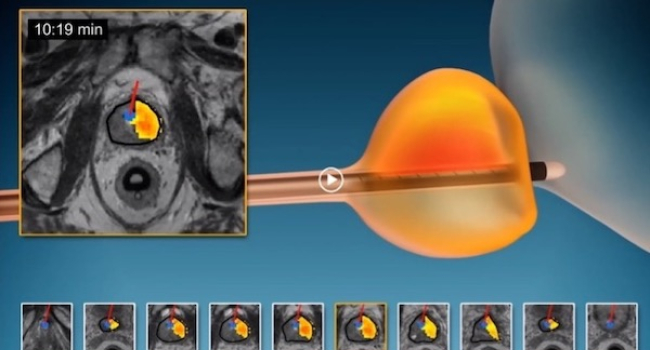
A new clinical trial suggests that men with localized, intermediate-risk prostate cancer recover more quickly and experience fewer short-term side effects when treated with MRI-guided transurethral ultrasound ablation (TULSA) compared with standard robotic prostate surgery.
The CAPTAIN trial, presented at the Society of Interventional Radiology 2026 Annual Scientific Meeting, included 212 patients treated across 23 medical centers between 2022 and 2025. Participants were randomly assigned to receive either TULSA, a minimally invasive procedure, or robotic prostatectomy.
Results showed that patients treated with TULSA had less blood loss, were more often discharged the same day, and reported lower pain levels and faster return to normal activities within a month. In contrast, patients who underwent surgery were more likely to require hospital stays and experienced a slower recovery.
Researchers note that while robotic prostate removal remains effective for cancer control, it can lead to long-term side effects such as urinary incontinence and erectile dysfunction. TULSA, which uses MRI guidance and ultrasound energy delivered through the urethra to precisely destroy cancer tissue, aims to minimize damage to surrounding structures and preserve quality of life.
Experts emphasize that early recovery is an important factor in treatment decisions, alongside long-term cancer outcomes. The CAPTAIN study is designed to provide high-quality evidence to help patients and doctors compare treatment options more effectively.
Long-term follow-up over 10 years is planned to assess cancer control, urinary and sexual function, and the need for additional treatments.
Follow NEWS.am Medicine on Facebook and Twitter

- Related News
- When Diet and Exercise Aren’t Enough: Who Can Benefit from Weight-Loss Medications? If dietary changes and increased physical activity fail to produce at least 5% weight loss, patients can discuss medication options with their doctor...
- Tea May Benefit Heart Health — but Drinking It Scalding Hot Could Be Risky The study also found that moderate-strength tea was associated with a lower risk...
- A Simple Way to Blunt Blood Sugar Spikes After Meals In the experiments, mice were divided into groups after an overnight fast...
- Study: Healthy Diet During Pregnancy Reduces the Risk of Colic and Eczema in Children A higher MDS indicated a healthier diet rich in fruits, vegetables, whole grains, legumes, and healthy fats, with moderate amounts of dairy products and lean protein...
- F&F: Japanese Apricot May Help Fight Helicobacter pylori In experiments on mice, the extract reduced inflammation and promoted the restoration of the stomach lining...
- Video




- Event calendar
- Archive
- Most read
month
week
day
- Tea May Benefit Heart Health — but Drinking It Scalding Hot Could Be Risky 385
- Why Some People Avoid Alzheimer’s Despite Carrying a High-Risk Gene 348
- LSD does more than disrupt brain rhythms: It speeds them up and increases signal complexity 329
- Nine-year study links changing loneliness patterns to increased heart disease risk 321
- PLOS: Yogurt and Canned Beans May Help Reduce the Risk of Colorectal Cancer 295
- Scientists Rejuvenate Cells by More Than 60 Years for the First Time 292
- bioRxiv: Cholesterol May Interfere with the Brain’s Ability to Clear Toxic Proteins 272
- Nubar Afeyan’s Company Tests Skin Cancer Vaccine: Risk of Recurrence Falls by 42% 269
- Scientists Use ChatGPT-Like Technology to Assess Stroke Risk From Human DNA 262
- PLOS One: A Short Strength-Training Routine Improved Balance and Strength in Adults Over 65 254
- AJOG: Birth Weight Is Linked to Later Performance in Math and Reading 242
- SciRep: Walking More Than 8,000 Steps a Day Is Linked to Better Attention 233
- Noise-Canceling Headphones Reduced the Risk of Nausea After Gynecological Surgery by 32% 233
- WHO Comments on First Documented Human Death Linked to Shamonda Virus 223
- Scientists Unveil Scanner That Captures Whole-Body Images in Just 60 Seconds 219
- Find us on Facebook
- Poll