


- Latest news▼
-
12:47, October 7 Nature: Why Does the Immune System Stop Killing Dangerous “Zombie Cells”?

-
10:50, October 7 Nature: Why Does the Immune System Stop Killing Dangerous “Zombie Cells”?

-
08:44, October 7 Study: The Way a Person Speaks May Reveal Early Signs of Brain Aging

-
23:53, October 6 Study: One in Eight Cancer Cases Worldwide Is Linked to Preventable Infections

-
21:39, October 6 Sugar Exposure During the First 1,000 Days of Life Increases the Risk of Anxiety in Adulthood

-
19:56, October 6 Nature: AI Effectively Motivates Patients to Get Vaccinated

-
17:41, October 6 Cell: Vitamin D May Reduce Intestinal Inflammation

-
15:24, October 6 Scientists Find a Way to Rejuvenate Old Cells — Without Rewriting DNA

-
13:12, October 6 More Than 1,600 New Breast Cancer Cases Are Diagnosed in Armenia Every Year

-
08:39, October 6 NatCom: Losing belly fat slowed brain aging and protected memory

-
23:58, October 5 Dreaming: The more difficult the day, the more fear and anxiety appear in dreams

-
22:09, October 5 The 2026 Nobel Prize in Physiology or Medicine Recognized a Sequence of Discoveries

-
18:46, October 5 CanRes: The rate at which mutations accumulate in cells may determine cancer risk

-
14:06, October 5 Nobel Prize in Physiology or Medicine Awarded for Optogenetics

-
12:42, October 5 PNAS: The right hemisphere of the brain ages faster than the left

All materials
Why We Lose Strength With Age: Scientists Identify a Key Dietary Factor
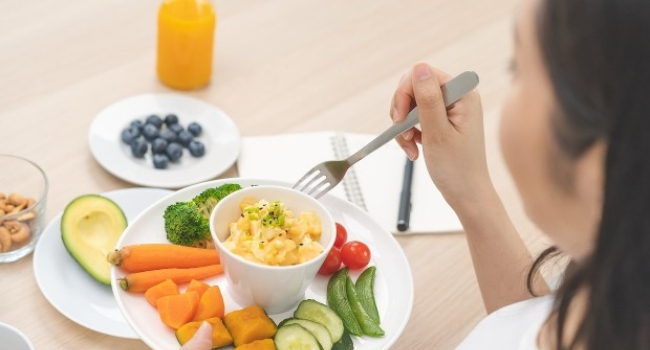
A large international study published in the journal Nutrients has found that low protein intake in people over the age of 50 is associated with a faster decline in muscle strength and reduced ability to perform everyday activities.
The research was conducted by a team of scientists from universities in the UAE, Denmark, Finland, Pakistan, Saudi Arabia, and Austria, led by Rizwan Qaisar from the University of Sharjah.
Researchers analyzed data from more than 38,000 adults across 27 European countries collected as part of the long-term Survey of Health, Ageing, and Retirement in Europe project. Participants were followed for several years, allowing scientists to compare dietary habits with changes in physical function over time.
The study focused on protein-rich foods such as eggs, legumes, fish, chicken, and dairy products. Results showed that people who regularly consumed low amounts of protein were more likely to experience worsening muscle strength and increasing difficulty with daily activities as they aged.
These included basic tasks such as:
• climbing stairs;
• walking short distances;
• getting up from a chair;
• raising the arms overhead;
• performing household activities, including shopping.
Scientists emphasize that such limitations are directly linked to loss of independence, lower quality of life, and increased risks of falls, hospitalization, and the need for long-term care.
According to lead researcher Rizwan Qaisar, even simple movements require sufficient muscle strength, coordination, and balance. Long-term protein deficiency makes it harder for the body to maintain these systems, accelerating functional aging.
The analysis also revealed differences between men and women. In men, protein intake was more strongly associated with muscle strength, such as handgrip strength, while women more frequently experienced functional limitations involving walking, bending, lifting the arms, and daily household tasks.
The authors stress that the findings are not about sports supplements, but about ordinary daily nutrition. Regular consumption of common foods such as fish, eggs, legumes, dairy products, and poultry may play a key role in maintaining muscle health and physical independence in older age.
Researchers believe that identifying people with low protein intake could become a simple and inexpensive strategy for preventing age-related mobility decline and preserving independence later in life.
Follow NEWS.am Medicine on Facebook and Twitter

- Related News
- Current Developments in Nutrition: People with cardiovascular disease eat whole fruits less often
- Food & Function: Daily Consumption of 40 Grams of Walnuts Linked to Improved Overall Mood For eight weeks, participants either consumed 40 grams of walnuts daily with dinner or completely excluded walnuts and walnut-derived products.․․
- Food & Function: Peanuts Increase Brain Insulin Sensitivity in Older Adults The study's authors view these observed changes as potentially beneficial.․․
- Diabetes, Obesity and Metabolism: Feijoa Improved Blood Pressure in People with Prediabetes Over a six-month period, alongside a weight-loss program, participants received approximately one gram of feijoa powder per day or a placebo.․․
- CDN: Fruit Juice Does Not Lower Heart Disease Risk Like Whole Fruits The researchers suggest that the benefits of whole fruits may be related to their content of dietary fiber and polyphenols...
- Video




- Event calendar
- Archive
- Most read
month
week
day
- The 2026 Nobel Prize in Physiology or Medicine Recognized a Sequence of Discoveries 1288
- Study: Suicidal Ideation Among US Teens Began Rising Sharply After Nearly Two Decades of Decline 790
- WHO: Global Life Expectancy Has Almost Returned to Pre-Pandemic Levels 674
- Scientists Discover New Mechanism Linking Biological Clocks, Cold, and Fat Metabolism 669
- More Than 1,600 New Breast Cancer Cases Are Diagnosed in Armenia Every Year 648
- Sugar Exposure During the First 1,000 Days of Life Increases the Risk of Anxiety in Adulthood 635
- Dreaming: The more difficult the day, the more fear and anxiety appear in dreams 621
- Study: The Way a Person Speaks May Reveal Early Signs of Brain Aging 618
- Food & Function: Daily Consumption of 40 Grams of Walnuts Linked to Improved Overall Mood 596
- NatCom: Losing belly fat slowed brain aging and protected memory 570
- Study: One in Eight Cancer Cases Worldwide Is Linked to Preventable Infections 564
- CanRes: The rate at which mutations accumulate in cells may determine cancer risk 553
- Cell: Vitamin D May Reduce Intestinal Inflammation 544
- Nobel Prize in Physiology or Medicine Awarded for Optogenetics 542
- Nature: AI Effectively Motivates Patients to Get Vaccinated 530
- Find us on Facebook
- Poll