


- Latest news▼
-
12:47, October 7 Nature: Why Does the Immune System Stop Killing Dangerous “Zombie Cells”?

-
10:50, October 7 Nature: Why Does the Immune System Stop Killing Dangerous “Zombie Cells”?

-
08:44, October 7 Study: The Way a Person Speaks May Reveal Early Signs of Brain Aging

-
23:53, October 6 Study: One in Eight Cancer Cases Worldwide Is Linked to Preventable Infections

-
21:39, October 6 Sugar Exposure During the First 1,000 Days of Life Increases the Risk of Anxiety in Adulthood

-
19:56, October 6 Nature: AI Effectively Motivates Patients to Get Vaccinated

-
17:41, October 6 Cell: Vitamin D May Reduce Intestinal Inflammation

-
15:24, October 6 Scientists Find a Way to Rejuvenate Old Cells — Without Rewriting DNA

-
13:12, October 6 More Than 1,600 New Breast Cancer Cases Are Diagnosed in Armenia Every Year

-
08:39, October 6 NatCom: Losing belly fat slowed brain aging and protected memory

-
23:58, October 5 Dreaming: The more difficult the day, the more fear and anxiety appear in dreams

-
22:09, October 5 The 2026 Nobel Prize in Physiology or Medicine Recognized a Sequence of Discoveries

-
18:46, October 5 CanRes: The rate at which mutations accumulate in cells may determine cancer risk

-
14:06, October 5 Nobel Prize in Physiology or Medicine Awarded for Optogenetics

-
12:42, October 5 PNAS: The right hemisphere of the brain ages faster than the left

All materials
One Avocado a Day May Lower a Key Heart Disease Risk Factor in People With Obesity
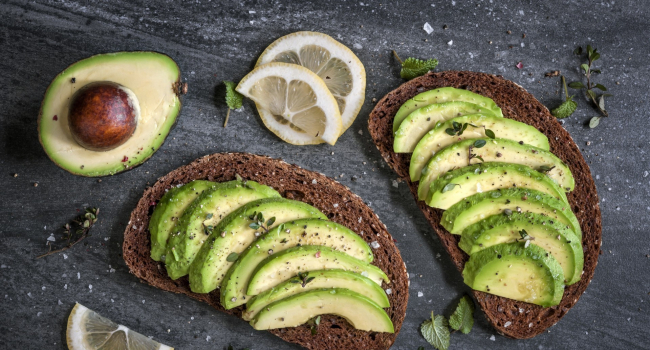
Eating one avocado every day may help reduce a key risk factor for cardiovascular disease in adults with abdominal obesity, according to a new study by researchers at Penn State University, published in the Journal of Clinical Lipidology.
The researchers found that daily avocado consumption reduced the number of low-density lipoprotein (LDL) particles in the bloodstream. Unlike LDL cholesterol alone, the concentration of LDL particles is considered an independent predictor of cardiovascular disease. The observed reduction corresponded to an estimated 4% decrease in heart disease risk.
"If people want to improve the quality of their diet, making one small change may be more realistic than trying to completely overhaul their eating habits," said Janhavi Damani, the study's first author and a postdoctoral scholar at Penn State. "For people with obesity, adding an avocado to their daily diet could be a practical first step."
LDL particles transport cholesterol throughout the body. Researchers explain that two people can have the same LDL cholesterol level but different cardiovascular risks if one has a greater number of smaller LDL particles. These smaller particles are more likely to penetrate the walls of blood vessels, promoting the formation of atherosclerotic plaque.
As plaque accumulates, arteries become narrower and less flexible, increasing blood pressure during physical exertion or stress and raising the likelihood of cardiovascular events such as heart attacks.
The study analyzed data from 786 adults aged 25 and older who participated in the six-month Habitual Diet and Avocado Trial. All participants had abdominal obesity. Half continued their usual diet, while the other half added one avocado per day without making other dietary or lifestyle changes.
Previous results from the trial showed that eating an avocado daily did not lead to weight loss or a reduction in waist circumference but did lower LDL cholesterol levels.
The new analysis demonstrated that participants in the avocado group experienced an average reduction of 49 nanomoles per liter in LDL particle concentration, corresponding to an estimated 4% lower risk of heart disease.
Although the effect was modest compared with the larger benefits associated with improving overall dietary patterns, the researchers say it represents a meaningful step toward better cardiovascular health.
The beneficial effect was observed regardless of participants' age, sex, race, ethnicity, or body mass index, suggesting that adults with abdominal obesity may benefit from incorporating avocados into their diets.
"This study demonstrates that the benefits of avocado consumption can be achieved in everyday life, where people's diets are much less controlled than in clinical feeding studies," said Kristina Petersen, senior author of the study and associate professor of nutritional sciences at Penn State.
The researchers note that people considering dietary changes should consult a physician or registered dietitian for personalized nutritional advice.
Follow NEWS.am Medicine on Facebook and Twitter

- Related News
- Current Developments in Nutrition: People with cardiovascular disease eat whole fruits less often
- Food & Function: Daily Consumption of 40 Grams of Walnuts Linked to Improved Overall Mood For eight weeks, participants either consumed 40 grams of walnuts daily with dinner or completely excluded walnuts and walnut-derived products.․․
- Food & Function: Peanuts Increase Brain Insulin Sensitivity in Older Adults The study's authors view these observed changes as potentially beneficial.․․
- Diabetes, Obesity and Metabolism: Feijoa Improved Blood Pressure in People with Prediabetes Over a six-month period, alongside a weight-loss program, participants received approximately one gram of feijoa powder per day or a placebo.․․
- CDN: Fruit Juice Does Not Lower Heart Disease Risk Like Whole Fruits The researchers suggest that the benefits of whole fruits may be related to their content of dietary fiber and polyphenols...
- Video




- Event calendar
- Archive
- Most read
month
week
day
- The 2026 Nobel Prize in Physiology or Medicine Recognized a Sequence of Discoveries 1290
- Study: Suicidal Ideation Among US Teens Began Rising Sharply After Nearly Two Decades of Decline 790
- WHO: Global Life Expectancy Has Almost Returned to Pre-Pandemic Levels 674
- Scientists Discover New Mechanism Linking Biological Clocks, Cold, and Fat Metabolism 669
- More Than 1,600 New Breast Cancer Cases Are Diagnosed in Armenia Every Year 649
- Sugar Exposure During the First 1,000 Days of Life Increases the Risk of Anxiety in Adulthood 635
- Dreaming: The more difficult the day, the more fear and anxiety appear in dreams 621
- Study: The Way a Person Speaks May Reveal Early Signs of Brain Aging 618
- Food & Function: Daily Consumption of 40 Grams of Walnuts Linked to Improved Overall Mood 596
- NatCom: Losing belly fat slowed brain aging and protected memory 570
- Study: One in Eight Cancer Cases Worldwide Is Linked to Preventable Infections 564
- CanRes: The rate at which mutations accumulate in cells may determine cancer risk 554
- Cell: Vitamin D May Reduce Intestinal Inflammation 544
- Nobel Prize in Physiology or Medicine Awarded for Optogenetics 542
- Nature: AI Effectively Motivates Patients to Get Vaccinated 530
- Find us on Facebook
- Poll