


- Latest news▼
-
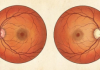
23:22, August 31 AI Assesses the Risk of Hypertension and Other Systemic Diseases From Eye Fundus Images
-
21:08, August 31 Researchers Say Cancer Warnings About Alcohol Can Be Made More Effective

-
16:44, August 31 Extreme Temperatures May Raise the Risk of Hospitalization for Heart Failure

-
15:34, August 31 SciSign: Cancer-Associated Protein BRAF Identified as a Potential Driver of Chronic Pain

-
13:30, August 31 NanoH: Scientists Develop a 15-Minute Blood Test to Monitor Circadian Rhythms
-
11:29, August 31 Japan Becomes First Country in the World to Launch Viral Therapy for Esophageal Cancer
-
08:33, August 31 Scientific Reports: Sunlight Exposure Linked to Lower Blood Glucose Levels and Reduced Risk of Diabetes

-
22:36, August 30 Scientists Identify a Compound in Tomatoes That May Protect the Liver From Fatty Liver Disease

-
16:48, August 30 U.S. FDA Approves First Wearable Sensor Capable of Detecting a Dangerous Diabetes Complication Early

-
12:31, August 30 NEJM: Signs of Atherosclerosis Found in One in 13 Apparently Healthy Young Adults

-
21:56, August 29 Immunity: COVID-19 May Trigger a Mechanism Similar to the Development of Autoimmune Diseases

-
17:23, August 29 Scientists Identify Diet That Reduces Liver Fat and Prediabetes Risk More Effectively Than Others

-
15:39, August 29 Patient with Metastatic Pancreatic Cancer Remains Disease-Free for More Than Three Years After Experimental Treatment
-
13:47, August 29 European Dietitian Recommends Eating Whole-Grain Bread Several Times a Day

-
11:42, August 29 Global Number of People Living with Type 1 Diabetes Could Rise by 29% by 2049
All materials
AI Assesses the Risk of Hypertension and Other Systemic Diseases From Eye Fundus Images
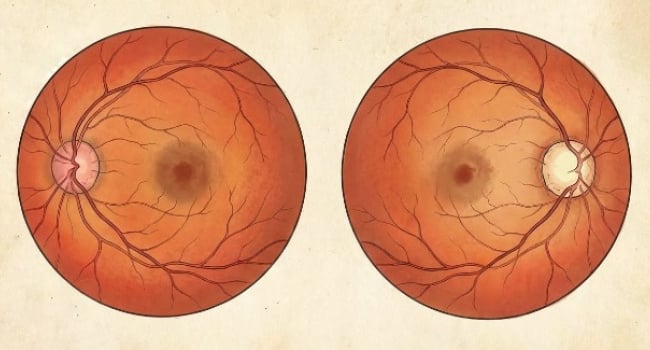
Researchers from Skoltech, the Z-union AI Consortium, Sber AI Lab and other scientific institutions have developed an artificial intelligence-based approach for preventive screening of 15 diseases using retinal fundus images.
The conditions that the researchers were able to predict from eye images included not only eye diseases such as glaucoma and cataracts, but also systemic conditions, including hypertension, systemic lupus erythematosus and AIDS.
The researchers say that implementing such technologies could help identify health risks at an earlier stage, including in people who have not yet developed noticeable symptoms. The study was published in Frontiers in Medicine.
“Invasive tests are not performed without specific indications, whereas non-invasive screening can be carried out on a large scale,” explained Robert Vasiliev, the study’s first author and director of the Z-union AI Consortium, as reported by Nauka Rossiya.
“For example, a person may visit an ophthalmology clinic because of eye pain. A fundus image will routinely be taken as part of the examination. That same image contains information about the risk of developing a range of diseases, including conditions that have nothing to do with the eyes. The earlier a patient learns that they are at increased risk of one of these diseases, the better.”
The AI model takes a fundus image as input and estimates the probability of each of the 15 target diseases. Its overall performance, measured by the ROC AUC, reached 0.997, including for rare conditions. On this scale, a score of 1.0 represents a perfect result.
The researchers therefore say the model demonstrates a very high ability to distinguish healthy individuals from people with disease based on retinal images.
To train the system, the research team assembled, annotated and anonymized a unique dataset containing more than 20,000 fundus images collected from public sources and obtained from medical clinics.
One of the dataset’s distinguishing features was its inclusion of rare diseases, which the researchers say could make it a valuable resource for future studies. With the help of medical experts, the team also formalized the clinical task and identified imaging features associated with the target conditions.
Yulia Sarana, a research scientist at Skoltech’s Center for Bio and Medical Technologies and a co-author of the study, said the team hopes the approach will eventually be used in clinical practice.
“We hope that our proposed non-invasive approach will find applications in medical practice and, together with existing diagnostic methods, help identify serious diseases at earlier stages,” Sarana said. “This, in turn, could contribute to starting treatment in a timely manner, extending the period of healthy life and improving its quality.”
Follow NEWS.am Medicine on Facebook and Twitter




- Most read
month
week
day
- World’s First Patient Undergoes Live AI-Assisted Brain Surgery 651
- Two Unknown Ancestors Discovered in the Human Genome 638
- Immunity: COVID-19 May Trigger a Mechanism Similar to the Development of Autoimmune Diseases 568
- Scientists Identify Diet That Reduces Liver Fat and Prediabetes Risk More Effectively Than Others 532
- Innovative Spray Developed to Treat Rhinitis Caused by Overuse of Nasal Decongestants 531
- Calories Aren’t All the Same: Study Highlights the Benefits of the Mediterranean Diet 528
- Biomolecules: Mulberries May Alter the Composition of the Gut Microbiota 527
- Patient with Metastatic Pancreatic Cancer Remains Disease-Free for More Than Three Years After Experimental Treatment 523
- Scientists Discover a New Property of Viruses 509
- A Hundred Years Is Not a Prescription: Scientists Explain Why a Healthy Lifestyle Does Not Guarantee a Long Life 501
- ERJ Open Research: Frequent Use of Rescue Inhalers Linked to Increased Risk of Heart Disease 494
- Study: The Amount of Nutrients Matters More Than Their Type for Intestinal Cell Turnover 491
- European Dietitian Recommends Eating Whole-Grain Bread Several Times a Day 479
- When Parents Live to 100: How Their Children Differ From Others 478
- Lung cancer patient remains tumor-free for 10 years after sodium selenite treatment 475
- Find us on Facebook
- Poll