


- Latest news▼
-
10:55, October 22 LSD does more than disrupt brain rhythms: It speeds them up and increases signal complexity

-
23:27, October 21 Nine-year study links changing loneliness patterns to increased heart disease risk

-
15:23, October 21 Tea May Benefit Heart Health — but Drinking It Scalding Hot Could Be Risky

-
13:25, October 21 Why Some People Avoid Alzheimer’s Despite Carrying a High-Risk Gene

-
10:47, October 20 SciRep: Walking More Than 8,000 Steps a Day Is Linked to Better Attention

-
08:32, October 20 Nature: AI Links Brown Fat to Heart, Vascular, and Mental Health

-
18:51, October 19 Oxytocin May Make Childhood Memories More Negative in People with Relationship Anxiety

-
16:48, October 19 Polyphenols in coffee and fruit linked to lower risk of telomere shortening

-
14:50, October 19 Anesthesiology: Noise-Canceling Headphones Reduce the Risk of Nausea After Anesthesia

-
12:44, October 19 PLOS: Yogurt and Canned Beans May Help Reduce the Risk of Colorectal Cancer

-
10:39, October 19 AJOG: Birth Weight Is Linked to Later Performance in Math and Reading

-
08:41, October 19 Postoperative Monitoring Apps Reduced Hospital Readmissions by 15%

-
23:12, October 18 Noise-Canceling Headphones Reduced the Risk of Nausea After Gynecological Surgery by 32%

-
18:17, October 18 HealthDay: Strength Training After 60 Helps Strengthen Bones and Maintain Brain Health

-
12:43, October 18 Scientists Unveil Scanner That Captures Whole-Body Images in Just 60 Seconds
All materials
Diabetologia: Type 1 diabetes may not be a single disease but two distinct conditions
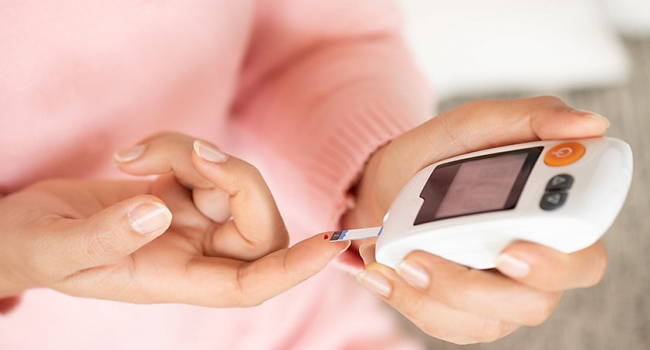
Scientists have found that type 1 diabetes may actually comprise not one disease but two genetically and biologically distinct conditions. Researchers from the United States and the United Kingdom reached this conclusion after conducting the first genome-wide analysis of patients with diabetes that took into account two HLA gene variants — DR3 and DR4. The findings were published in the journal Diabetologia.
The researchers compared genetic data from 9,091 people with type 1 diabetes and 14,157 healthy participants. The analysis revealed substantial differences between patients with the HLA-DR3 and HLA-DR4 variants, affecting not only genetic predisposition but also the possible mechanisms underlying the development of the disease.
With the HLA-DR3 variant, the researchers found an association with genes that influence the activity of mast cells — immune cells involved in inflammation and the body’s response to foreign substances.
“With HLA-DR4, by contrast, T cells appear to play a greater role. These cells are capable of directly attacking the body’s own cells. It is this autoimmune process that leads to the destruction of the insulin-producing beta cells in the pancreas,” the scientists explained.
Both genetic variants increase the likelihood of developing the same diagnosis, but the disease may be triggered by different biological mechanisms. According to the researchers, the differences between these groups are so pronounced that they could be considered separate subtypes of the disease.
“If the disease does indeed develop through several pathways, a single drug or prevention strategy may not work in the same way for different patients. In future clinical trials involving people with diabetes, we may take into account whether participants carry the HLA-DR3 or HLA-DR4 variants,” the researchers added.
Follow NEWS.am Medicine on Facebook and Twitter

- Related News
- Pancreatic Cancer Can Change Its “Genetic Strategy”: Study Identifies Key Mechanisms According to the authors, nearly 85% of patients with this disease die within five years of diagnosis...
- eClinicalMedicine: More Than 40% of Women with Autoimmune Diseases Have Experienced a Misdiagnosis of a Psychiatric Condition Among women, 43% reported that their symptoms had previously been incorrectly attributed to psychiatric causes...
- LGH: The effect of aspirin on colorectal cancer may depend on the stage of the disease After treatment, participants took either aspirin or a placebo daily for up to three years...
- Scientists Discover Unexpected Gene That May Increase the Risk of Anorexia One particularly interesting finding was where the gene is active...
- Nighttime Heat Increases Anxiety and Alters Body Functions: Scientists Identify Possible Mechanisms Daytime heat exposure lasted from 9 a.m. to 5 p.m. at 32°C, while nighttime exposure took place from 10 p.m. to 6 a.m. at 30°C...
- Video




- Event calendar
- Archive
- Most read
month
week
day
- Cardiologists Urge Inclusion of Physical Exercise in Heart Disease Prevention 543
- Frontiers: Poor Sleep May Increase the Risk of Breast Cancer by 30% 530
- Stem Cell Reports: Nicotine Exposure During Pregnancy Permanently Weakens Offspring’s Immune Systems 525
- Nature: Researchers Link Faster Wound Healing to Female Sex Hormones 503
- BJN: Asparagus extract helps improve sleep and reduce anxiety 464
- Science Corporation Implants Vision-Restoring Chip in First Patient With Stargardt Disease 449
- Nine-year study links changing loneliness patterns to increased heart disease risk 290
- Why Some People Avoid Alzheimer’s Despite Carrying a High-Risk Gene 283
- Tea May Benefit Heart Health — but Drinking It Scalding Hot Could Be Risky 270
- LSD does more than disrupt brain rhythms: It speeds them up and increases signal complexity 258
- Smartphone Habits Can Detect Stress With Up to 76% Accuracy, Scientists Find 244
- PLOS: Yogurt and Canned Beans May Help Reduce the Risk of Colorectal Cancer 227
- Noise-Canceling Headphones Reduced the Risk of Nausea After Gynecological Surgery by 32% 183
- AJOG: Birth Weight Is Linked to Later Performance in Math and Reading 182
- Anesthesiology: Noise-Canceling Headphones Reduce the Risk of Nausea After Anesthesia 164
- Find us on Facebook
- Poll