


- Latest news▼
-
18:49, October 23 bioRxiv: Cholesterol May Interfere with the Brain’s Ability to Clear Toxic Proteins
-
16:56, October 23 PLOS One: A Short Strength-Training Routine Improved Balance and Strength in Adults Over 65

-
14:50, October 23 A Simple 15-Minute Procedure Helped Patients with Carpal Tunnel Syndrome Avoid Surgery

-
12:53, October 23 Scientists Rejuvenate Cells by More Than 60 Years for the First Time

-
10:47, October 23 WHO Comments on First Documented Human Death Linked to Shamonda Virus

-
08:24, October 23 A Single Tooth Can Reveal Six Types of Information About a Person, Including Their Health

-
20:34, October 22 Medical Xpress: Hypnosis and Psychotherapy May Help Relieve Chronic Abdominal Pain in Children

-
18:51, October 22 Nature: Cold Triggers Muscles to Produce Protective Metabolite BH2

-
16:45, October 22 Nature: Hantavirus Enters Human Cells Through a Groove in a Receptor-Binding Protein

-
14:48, October 22 First Human Case of Shamonda Virus Infection Recorded in France

-
12:43, October 22 Chinese Scientists Develop a One-Gram Device for Monitoring Brain Activity

-
10:55, October 22 LSD does more than disrupt brain rhythms: It speeds them up and increases signal complexity

-
08:42, October 22 The Journal of Nutrition: Women Who Eat Oily Fish Have a 19% Lower Risk of Death from Stroke

-
23:27, October 21 Nine-year study links changing loneliness patterns to increased heart disease risk

-
21:34, October 21 JAMA Pediatrics: Smartphone Use After 10 p.m. Cuts Teenagers’ Sleep by 20 Minutes

All materials
Gut: Immune System Signals of Bowel Disease Can Appear 10 Years Before Diagnosis
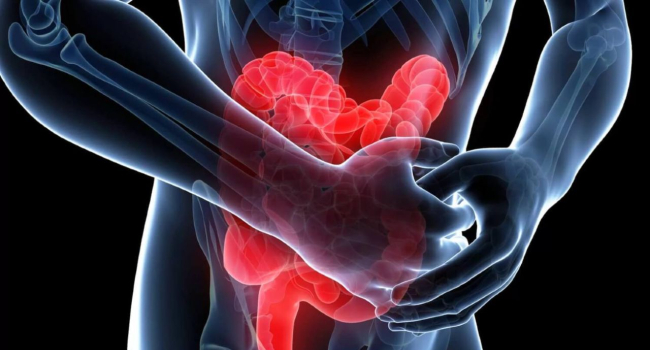
Scientists from the University Medical Center Groningen in the Netherlands and the Icahn School of Medicine at Mount Sinai in the United States have found that changes in blood antibodies may indicate the development of inflammatory bowel disease (IBD) up to ten years before diagnosis. The findings were published in the journal Gut.
Inflammatory bowel disease includes Crohn’s disease and ulcerative colitis. These conditions involve chronic inflammation of the digestive tract and can cause abdominal pain, diarrhea, and fatigue. The diseases are usually detected after symptoms appear, by which time intestinal tissue may already have been damaged.
The researchers analyzed 2,000 blood samples collected from 500 US military personnel. Crohn’s disease subsequently developed in 200 participants, while another 200 developed ulcerative colitis. The remaining participants did not develop either condition. The scientists looked for antibodies targeting various proteins from bacteria, viruses, food, and the body’s own tissues.
People who were later diagnosed with Crohn’s disease were more likely to have antibodies against the Epstein–Barr virus. These differences were detectable as early as ten years before diagnosis. The strongest signal was observed in participants who subsequently developed severe disease with complications, including intestinal strictures.
In participants who developed ulcerative colitis, the researchers identified a different pattern of immune response, including antibodies against one of the body’s own proteins.
“Changes in immune system activity may begin long before the first symptoms appear. In the future, antibody testing could help identify people at increased risk of developing the disease and pave the way for early diagnostic and preventive approaches,” the scientists noted.
The test is not yet ready for routine clinical use. The findings need to be confirmed in other populations. In addition, the study identifies an association between immune changes and the subsequent development of the disease, but does not prove that viral infections directly cause inflammatory bowel disease.
Follow NEWS.am Medicine on Facebook and Twitter

- Video




- Event calendar
- Archive
- Most read
month
week
day
- Cardiologists Urge Inclusion of Physical Exercise in Heart Disease Prevention 559
- Stem Cell Reports: Nicotine Exposure During Pregnancy Permanently Weakens Offspring’s Immune Systems 541
- Why Some People Avoid Alzheimer’s Despite Carrying a High-Risk Gene 309
- Nine-year study links changing loneliness patterns to increased heart disease risk 302
- LSD does more than disrupt brain rhythms: It speeds them up and increases signal complexity 296
- Tea May Benefit Heart Health — but Drinking It Scalding Hot Could Be Risky 281
- PLOS: Yogurt and Canned Beans May Help Reduce the Risk of Colorectal Cancer 264
- Noise-Canceling Headphones Reduced the Risk of Nausea After Gynecological Surgery by 32% 203
- AJOG: Birth Weight Is Linked to Later Performance in Math and Reading 193
- SciRep: Walking More Than 8,000 Steps a Day Is Linked to Better Attention 186
- Anesthesiology: Noise-Canceling Headphones Reduce the Risk of Nausea After Anesthesia 175
- Nature: AI Links Brown Fat to Heart, Vascular, and Mental Health 165
- Polyphenols in coffee and fruit linked to lower risk of telomere shortening 162
- Postoperative Monitoring Apps Reduced Hospital Readmissions by 15% 150
- HealthDay: Strength Training After 60 Helps Strengthen Bones and Maintain Brain Health 140
- Find us on Facebook
- Poll