make preferable
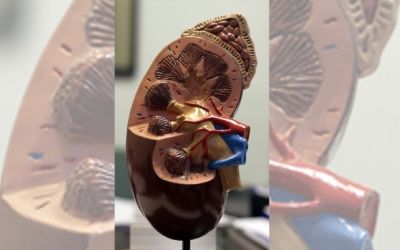
A model of a printed kidney in 3D caused wild applause when a surgeon first showed it at a TED conference in 2011. But the dream of creating replacement human kidneys using 3D-printed technology still remains years away, Fox News reports.
"These are by far the most complex, because you have a lot more cells per," said Tony Atala, director of the Wake Forest Institute for Regenerative Medicine in Winston-Salem, N.C.
News headlines mistakenly reported that Atala had held up a real living kidney on the TED stage in 2011. This year, breathless news reports also overhyped the work of a Chinese team at Hangzhou Dianzi University of Electronic Science and Technology that had 3D-printed a mass of living cells in the shape of a miniature kidney.
"They printed the shape of it, but they're not printing at the level of individual cells yet," said Stuart Williams, executive and scientific director of the Cardiovascular Innovation Institute in Louisville, Ky. "That's one of the limitations of 3D printing."
A 3D-printed kidney, like other 3D-printed replacement organs, likely won't become a reality within the next 10 or 15 years, researchers say. But they plan to use the simplified, miniature versions of 3D-printed organs created so far as guinea pigs for pharmaceutical drug testing.