make preferable
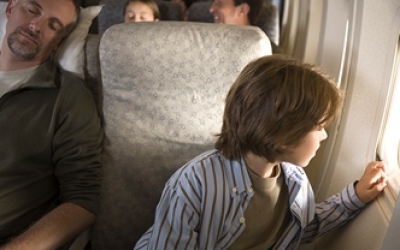
Bacteria causing dangerous diseases tolerate flights and well get accustomed to the cabin for a few days. This was the results of the study presented at the meeting of American Society for Microbiology.
Kiril Vaglenov, a post-doctoral fellow in materials science at Auburn University (the USA), who led the research, wanted to find out whether the Staphylococcus aureus – which can cause such dangerous diseases as sepsis and pneumonia, and a virulent strain of E. coli (which can cause severe abdominal cramps and vomiting) live inside airplane cabins.
Microbiologists have studied whether these bacteria can survive on seat pads, jalousie of windows, tables, seat-back pockets. As it was found out staphylococcus aureus stored in the airplane cabins’seatbacks for seven days and E. Coli remained on armrests very high even after 72 hours, but was at zero within the same time period for armrests and toilet handles.
According to Kiril Vaglenov, they plan to develop new and compelling methods for disinfecting airplane cabins. "We have also planned to examine a variety of surfaces in order to find out which of them has the best anti-microbial properties and it can reduce the number of bacteria in the cabins" said the microbiologist.
Now scientists are making a new research to find the ability of other pathogens, including tuberculosis agents, to survive in the airplane cabins.