make preferable
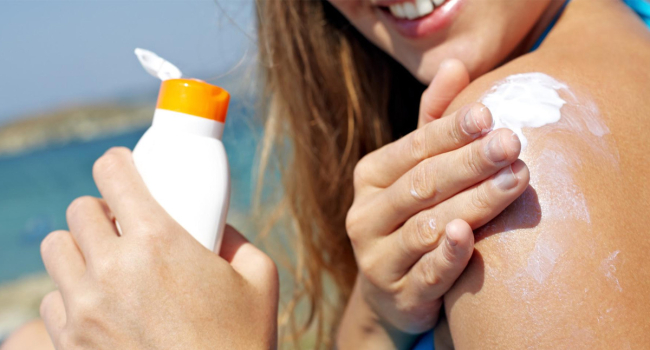
Sunscreens that protect the skin from ultraviolet radiation may pose a threat to the environment, according to researchers from the University of Stirling. Their study, published in the Journal of Hazardous Materials, revealed that a common ingredient in many sunscreens—ethylhexyl methoxycinnamate (EHMC)—slows down the degradation of plastic in seawater and alters the microbial communities on its surface.
In marine environments, plastic quickly becomes colonized by microbes that form a protective biofilm known as the "plastisphere." However, the presence of EHMC disrupts this process: beneficial bacteria that could help break down plastic disappear, while more resilient and potentially harmful microorganisms—such as Pseudomonas—begin to dominate. These bacteria not only reinforce the biofilm but can also cause infections in humans.
The study also found that EHMC promotes a shift to anaerobic (oxygen-free) survival modes in microbes, making plastic even more resistant to decomposition. This issue is particularly concerning in warm coastal regions with heavy tourism, where large amounts of sunscreen are washed into the ocean.
Researchers describe the combination of plastic and sunscreen chemicals as "dual pollution," warning that their interaction significantly worsens environmental damage. They are calling on regulatory authorities to reevaluate how such substances are managed to mitigate their ecological impact.
Previously, scientists found that even the most advanced water treatment facilities are unable to fully filter out microplastics. Particles smaller than five millimeters continue to enter natural ecosystems, carrying with them hazardous chemicals.