make preferable
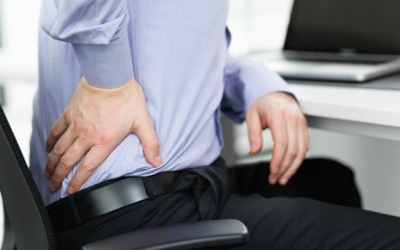
According to the New England Journal of Medicine, 31 million Americans experience low back pain at any given time. Often times, back pain is related to aging, Fox News reports.
The spine is comprised of bones, called vertebral bodies, which stack on top of each other to form a column. This column serves as a support for the entire body. Between those bones are cushions called discs, which act as shock absorbers that prevent the bones from hitting each other when the body moves. Over time, these discs accumulate wear and tear. They dry up and, occasionally, they bulge out to the sides. By the time we reach age 30, most of us will show some of these age-related signs of damage.
When scientists first noticed these changes, they named the condition “degenerative disc disease.” We now know that this isn’t actually a disease, it’s just a normal part of the aging process that happens to cause low back pain.
Here are some of the biggest signs that your back pain is serious;
- If you have pain that doesn’t change when you shift positions of your body (going from standing to sitting, for example), it may not be from wear and tear. Usually age-related causes of low back pain change with position. See your doctor when you have pain that’s constant and doesn’t change in severity throughout the day.
- If you have weakness in the legs or if you have problems with your bowel or bladder, see the doctor immediately. You want to make sure that there isn’t a tumor or cancer in the spine that’s irritating the bones and nerves. You also want to make sure that there’s no nerve damage from other causes.
- People who have a fever with low back pain should visit a doctor to make sure it’s not being caused by an infection. Certain medical conditions, like diabetes, increase your risk for developing infections in the spine. Bacteria can cause abscesses, which are pockets of pus, that can lead to spinal cord injuries. Bacteria and viruses can also spread from the spine to the brain and spinal cord. They can lead to infections like meningitis, which can be deadly.
Even if you don’t have these warning signs, if you have consistent pain over six months, see your doctor and get a CT scan or MRI.
Scientists have discovered that high blood pressure and high cholesterol affect the arteries carrying blood and other nutrients to the discs of the spine. When those arteries get damaged, it becomes harder for the discs to heal and the cycle of low back pain continues.
Eating heart-healthy foods rich in omega-3 fatty acids, like salmon and tuna fish, and having a diet rich in whole grains, beans and nuts can improve blood flow in your body. These foods decrease your risk of high blood pressure and high cholesterol, which will improve the blood flow to your spine, so your body can send nutrients to injured areas and heal the damage.
We can’t stop the spine from aging but we can do things to keep it healthy. Every medical treatment—whether it’s bed rest, physical therapy, medications, procedures or surgery—is a “bridge” that buys the body time to heal itself.