


- Latest news▼
-
23:35, October 1 Thailand’s Health Ministry Warns of Leptospirosis in Flood-Affected Areas

-
21:29, October 1 Nearly 95% of Viral Videos on Korean “Glass Skin” Care Contain Misleading Advice, Scientists Find

-
19:24, October 1 ABC News: 40% of the World’s Population Was Exposed to Dangerous Ozone Levels This Year

-
17:18, October 1 CDN: Fruit Juice Does Not Lower Heart Disease Risk Like Whole Fruits

-
15:16, October 1 PLOS Medicine: Brain Age Gap Was Largest in Dementia

-
13:14, October 1 Biomolecules: Mulberries May Improve Gut Health and Metabolism

-
11:00, October 1 Anti-Cancer Associations of China, Egypt and Kazakhstan Support Gevorg Tamamyan’s Candidacy

-
08:46, October 1 Food Is Always on Their Mind: Scientists Find Who Is More Likely to Experience “Food Noise”

-
20:25, September 30 Neuron: Lymph Node Removal Associated With a 25% Rate of Cognitive Impairment

-
18:24, September 30 The Lancet Oncology: Infections Account for One in Eight Cancer Diagnoses Worldwide

-
16:30, September 30 Xinhua: Fatty Diet Leads to the Formation of 248 Gallstones in Man

-
14:21, September 30 ACS: Menthol Additive Significantly Prolongs and Intensifies the Effects of Nicotine

-
12:23, September 30 MM: Excess Dietary Salt Raises the Risk of Fatty Liver Disease in Lean People

-
08:26, September 30 Scientists Discover a ‘Pause’ in Metastasis Development When Cancer Cells Are Especially Vulnerable

-
22:54, September 29 A Drop of Blood and 10 Minutes: Scientists Develop Rapid Test for Stroke Medications

All materials
Neurology: Sugar substitute identified that does not accelerate brain aging
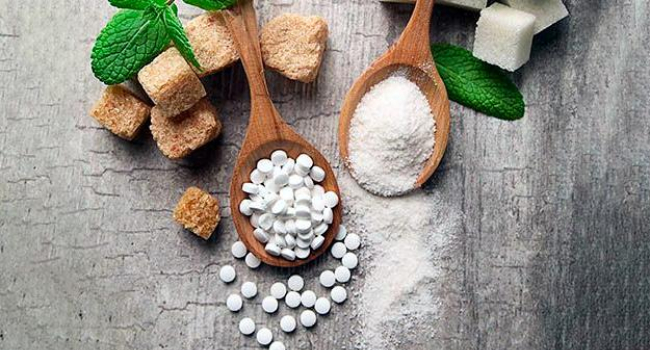
Artificial sweeteners — with the exception of tagatose — may accelerate cognitive decline and impair memory, especially in people with diabetes. This conclusion was reached by researchers at the University of São Paulo (Brazil). The results were published in the journal *Neurology*.
The scientists analyzed dietary and health data from 12,772 adults, with an average age of 52. Over 24 years, participants completed questionnaires about their diet, including consumption of diet beverages and low- or no-calorie sweeteners.
Based on sweetener intake, participants were divided into three groups — low to high consumption. Daily intake ranged from 20 to 191 milligrams, with sorbitol being the most commonly used sweetener.
Cognitive function was assessed through tests of memory, language skills, working memory, and processing speed. The study found that active consumers of artificial sweeteners experienced cognitive decline 62% faster than those with minimal intake.
On average, regular sweetener users had accelerated brain aging by 1.6 years. Even moderate consumption was associated with a 35% faster decline in cognitive function.
The negative effect was most pronounced in participants under 60 and in people with diabetes. No such association was observed in older adults over 60.
The study also found that nearly all sweeteners studied — including aspartame, saccharin, acesulfame potassium, erythritol, sorbitol, and xylitol — accelerated cognitive decline. The only exception was tagatose, which occurs in small amounts in berries, fruits, vegetables, cocoa, milk, and dairy products.
Follow NEWS.am Medicine on Facebook and Twitter

- Related News
- Food Is Always on Their Mind: Scientists Find Who Is More Likely to Experience “Food Noise” At the same time, the term itself does not yet have a universally accepted scientific definition...
- From Caffeine to Polyphenols: Scientists Trace What Happens to Coffee in the Gut Coffee is one of the most popular beverages in the world and an important source of polyphenols and caffeine...
- Pomegranate compound may improve heart function by up to 80% in study HFpEF accounts for around half of all heart failure cases and can cause breathlessness, fatigue, reduced exercise capacity and a poorer quality of life.․․
- Green tea compound may protect brain cells from damage associated with Alzheimer’s disease The researchers use models of neuronal membranes and study their electrophysiological properties, particularly the movement of ions across the membrane.․․
- Introduction of solid foods triggers early functional changes in the infant gut microbiome The findings indicate that feeding patterns influence the development and composition of the infant gut microbiome...




- Most read
month
week
day
- The Lancet Oncology: Infections Account for One in Eight Cancer Diagnoses Worldwide 534
- ACS: Menthol Additive Significantly Prolongs and Intensifies the Effects of Nicotine 526
- Neuron: Lymph Node Removal Associated With a 25% Rate of Cognitive Impairment 517
- Xinhua: Fatty Diet Leads to the Formation of 248 Gallstones in Man 474
- Pomegranate compound may improve heart function by up to 80% in study 469
- Thailand’s Health Ministry Warns of Leptospirosis in Flood-Affected Areas 431
- Anti-Cancer Associations of China, Egypt and Kazakhstan Support Gevorg Tamamyan’s Candidacy 419
- ABC News: 40% of the World’s Population Was Exposed to Dangerous Ozone Levels This Year 411
- MM: Excess Dietary Salt Raises the Risk of Fatty Liver Disease in Lean People 403
- PLOS Medicine: Brain Age Gap Was Largest in Dementia 377
- Biomolecules: Mulberries May Improve Gut Health and Metabolism 361
- CDN: Fruit Juice Does Not Lower Heart Disease Risk Like Whole Fruits 355
- The Netherlands finds euthanasia of child under two years old lawful 352
- Scientists Discover a ‘Pause’ in Metastasis Development When Cancer Cells Are Especially Vulnerable 295
- A Drop of Blood and 10 Minutes: Scientists Develop Rapid Test for Stroke Medications 269
- Find us on Facebook
- Poll