


- Latest news▼
-
22:53, October 23 Scientists Use ChatGPT-Like Technology to Assess Stroke Risk From Human DNA

-
20:56, October 23 Nubar Afeyan’s Company Tests Skin Cancer Vaccine: Risk of Recurrence Falls by 42%

-
18:49, October 23 bioRxiv: Cholesterol May Interfere with the Brain’s Ability to Clear Toxic Proteins
-
16:56, October 23 PLOS One: A Short Strength-Training Routine Improved Balance and Strength in Adults Over 65

-
14:50, October 23 A Simple 15-Minute Procedure Helped Patients with Carpal Tunnel Syndrome Avoid Surgery

-
12:53, October 23 Scientists Rejuvenate Cells by More Than 60 Years for the First Time

-
10:47, October 23 WHO Comments on First Documented Human Death Linked to Shamonda Virus

-
08:24, October 23 A Single Tooth Can Reveal Six Types of Information About a Person, Including Their Health

-
20:34, October 22 Medical Xpress: Hypnosis and Psychotherapy May Help Relieve Chronic Abdominal Pain in Children

-
18:51, October 22 Nature: Cold Triggers Muscles to Produce Protective Metabolite BH2

-
16:45, October 22 Nature: Hantavirus Enters Human Cells Through a Groove in a Receptor-Binding Protein

-
14:48, October 22 First Human Case of Shamonda Virus Infection Recorded in France

-
12:43, October 22 Chinese Scientists Develop a One-Gram Device for Monitoring Brain Activity

-
10:55, October 22 LSD does more than disrupt brain rhythms: It speeds them up and increases signal complexity

-
08:42, October 22 The Journal of Nutrition: Women Who Eat Oily Fish Have a 19% Lower Risk of Death from Stroke

All materials
Nearly One Million People and 27 Years of Follow-Up: Scientists Examine How Meat Consumption Is Linked to Longevity
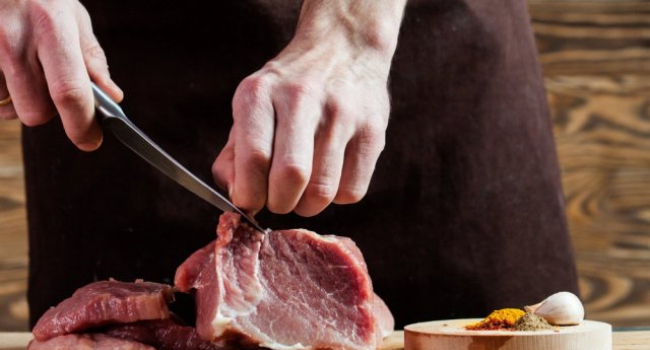
A large study by U.S. researchers found that limiting red and processed meat was associated with a small reduction in the risk of death from several causes. However, switching exclusively to white meat or eliminating meat altogether did not show an equally strong association with longevity.
The study was published in the journal Current Developments in Nutrition.
Researchers analyzed data from nearly 1 million people who participated in a large-scale study conducted by the American Cancer Society. Participants completed questionnaires about their diet and lifestyle in 1982 and were then followed for an average of 27.5 years. During that period, 626,000 deaths were recorded.
Participants were divided into several groups based on their consumption of red and processed meat: high, moderate, and low consumption. The researchers also separately examined people who consumed only white meat — poultry or fish — as well as participants classified as meat-free or vegetarian.
After accounting for age, sex, smoking, alcohol consumption, body weight, health status, and other factors, low consumption of red and processed meat was the only category in the overall population that maintained a statistically significant association with all of the mortality outcomes studied.
Compared with high consumption of red and processed meat, low consumption was associated with a lower risk of death from all causes, cardiovascular disease, cancer, and stroke. For stroke, the reduction was about 4%.
The findings were more pronounced in some groups. For example, among men, consuming only white meat was associated with a 7% reduction in overall mortality, while among people with a normal body weight, the reduction was 5%. Among participants who lived to age 80 or older, overall mortality was also 6% lower compared with those in the high red and processed meat consumption group.
For cancer mortality, low consumption of red and processed meat was associated with an approximately 2–5% lower risk across several age and other subgroups. Among people who reached age 80, consuming only white meat was associated with a 9% reduction in the risk of death from cancer.
The findings for a vegetarian diet, however, were much less clear-cut. In the overall population, avoiding meat did not show a consistent association with lower mortality. A significant 6% reduction in overall mortality was observed only among participants aged 50–64.
The authors emphasize that the study does not establish a cause-and-effect relationship between meat consumption and longevity. It also has important limitations: participants’ diets were assessed only once, in 1982; dietary data were relatively general; and the groups of people who completely avoided meat or consumed only white meat were relatively small.
Follow NEWS.am Medicine on Facebook and Twitter

- Related News
- The Journal of Nutrition: Women Who Eat Oily Fish Have a 19% Lower Risk of Death from Stroke The researchers analyzed data from 90,944 residents of Japan who were followed for an average of 20.8 years. During this period, 26,976 participants died...
- When Diet and Exercise Aren’t Enough: Who Can Benefit from Weight-Loss Medications? If dietary changes and increased physical activity fail to produce at least 5% weight loss, patients can discuss medication options with their doctor...
- More Fruit, Fewer Sugary Drinks: Study Finds Links to Adolescent Mental Health The researchers assessed symptoms of anxiety and depression using validated questionnaires...
- PLOS: Yogurt and Canned Beans May Help Reduce the Risk of Colorectal Cancer The researchers followed participants for 18 years, during which 10,075 cases of colorectal cancer were diagnosed...
- Scientists Discover How Hot Peppers Could Help Develop Safer Painkillers Previously, scientists believed that the receptor adopted roughly the same open state regardless of which stimulus triggered its activation...
- Video




- Event calendar
- Archive
- Most read
month
week
day
- Tea May Benefit Heart Health — but Drinking It Scalding Hot Could Be Risky 338
- Why Some People Avoid Alzheimer’s Despite Carrying a High-Risk Gene 327
- LSD does more than disrupt brain rhythms: It speeds them up and increases signal complexity 314
- Nine-year study links changing loneliness patterns to increased heart disease risk 310
- PLOS: Yogurt and Canned Beans May Help Reduce the Risk of Colorectal Cancer 279
- AJOG: Birth Weight Is Linked to Later Performance in Math and Reading 222
- Noise-Canceling Headphones Reduced the Risk of Nausea After Gynecological Surgery by 32% 213
- SciRep: Walking More Than 8,000 Steps a Day Is Linked to Better Attention 209
- bioRxiv: Cholesterol May Interfere with the Brain’s Ability to Clear Toxic Proteins 201
- Nubar Afeyan’s Company Tests Skin Cancer Vaccine: Risk of Recurrence Falls by 42% 190
- Scientists Unveil Scanner That Captures Whole-Body Images in Just 60 Seconds 188
- Anesthesiology: Noise-Canceling Headphones Reduce the Risk of Nausea After Anesthesia 186
- Nature: AI Links Brown Fat to Heart, Vascular, and Mental Health 186
- Polyphenols in coffee and fruit linked to lower risk of telomere shortening 181
- Scientists Rejuvenate Cells by More Than 60 Years for the First Time 176
- Find us on Facebook
- Poll