


- Latest news▼
-
23:31, October 16 Cardiologists Urge Inclusion of Physical Exercise in Heart Disease Prevention

-
21:29, October 16 Stem Cell Reports: Nicotine Exposure During Pregnancy Permanently Weakens Offspring’s Immune Systems

-
19:15, October 16 Frontiers: Poor Sleep May Increase the Risk of Breast Cancer by 30%

-
17:26, October 16 Nature: Researchers Link Faster Wound Healing to Female Sex Hormones

-
15:05, October 16 BJN: Asparagus extract helps improve sleep and reduce anxiety

-
10:55, October 16 Science Corporation Implants Vision-Restoring Chip in First Patient With Stargardt Disease
-
08:41, October 16 Smartphone Habits Can Detect Stress With Up to 76% Accuracy, Scientists Find

-
21:36, October 15 Cardiologists Urge Inclusion of Physical Exercise in Heart Disease Prevention

-
19:41, October 15 RPTH: One to Two Cups of Coffee a Day Linked to a 51% Lower Risk of Recurrent Venous Thromboembolism

-
17:50, October 15 JACH: Eating Breakfast May Improve Psychological Flexibility

-
15:42, October 15 A Simple Way to Blunt Blood Sugar Spikes After Meals
-
12:33, October 15 Scientists Discover a Longevity Gene That Extends Lifespan by 14%

-
10:37, October 15 WHO: Lead Poisoning Claims More Than 3.5 Million Lives Every Year
-
08:47, October 15 Why It Can Sometimes Be Impossible to Stop Laughing: Neuroscientists Identify Two Mechanisms Behind Laughter

-
21:24, October 14 Molecular Cell: Bacteria Hide an Unusual Defense Mechanism That Activates When a Virus Attacks

All materials
Neuroscience: Sleep disorders, hearing loss share common biological mechanisms
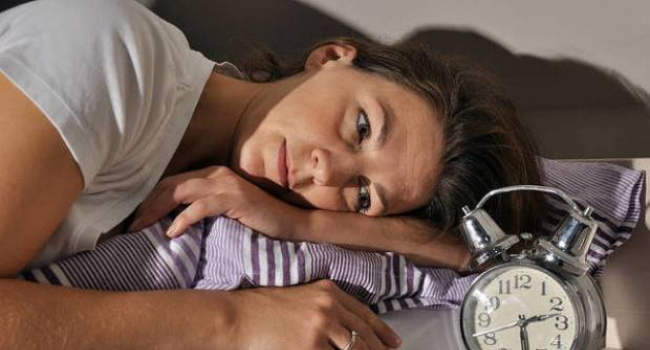
The World Health Organization estimates that 1 in 3 people worldwide suffer from sleep disorders at some point in their lives. Understanding the impact of these disorders on other aspects of human experience is thus of the utmost importance, as it could inform the development of new interventions aimed at improving people's sleep patterns, as well as their health and quality of life, reports Medical Xpress.
While the link between sleep disorders and hearing loss has been extensively investigated, the extent to which one influences the other remains poorly understood. Some studies have proposed that hearing loss makes it harder for people to sleep well, while others suggest that sleep disorders can worsen auditory health.
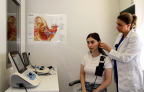
Researchers at Air Force Medical University in China recently reviewed previous literature focusing on this topic, with the aim of painting a clearer picture of the relationship between sleep disorders and hearing loss. Their paper, published in Neuroscience, pin-points some of the key biological mechanisms underpinning both disrupted sleep patterns and a decline in auditory health while also offering insight that could guide the development of new treatments for sleep disorders.
The review of previous studies carried out by this team of researchers suggests that different stages of sleep can influence auditory perception in distinct ways. For instance, people's ability to process sounds appears to be significantly stronger during non-rapid eye movement (NREM) sleep than during rapid eye movement (REM) sleep.
Past research also showed that hearing loss can adversely impact the quality of sleep among affected individuals. This could be because people experiencing hearing loss are often more sensitive to background noise, and this can make it harder for them to fall asleep or prompt them to wake up more often during the night.
On the other hand, other studies showed that sleep deprivation can increase the risk of auditory impairments later in life. While the mechanisms underlying this relationship are still poorly understood, in some cases, successfully treating sleep disorders could also promote better auditory health.
Follow NEWS.am Medicine on Facebook and Twitter

- Related News
- Pancreatic Cancer Can Change Its “Genetic Strategy”: Study Identifies Key Mechanisms According to the authors, nearly 85% of patients with this disease die within five years of diagnosis...
- eClinicalMedicine: More Than 40% of Women with Autoimmune Diseases Have Experienced a Misdiagnosis of a Psychiatric Condition Among women, 43% reported that their symptoms had previously been incorrectly attributed to psychiatric causes...
- LGH: The effect of aspirin on colorectal cancer may depend on the stage of the disease After treatment, participants took either aspirin or a placebo daily for up to three years...
- Scientists Discover Unexpected Gene That May Increase the Risk of Anorexia One particularly interesting finding was where the gene is active...
- Nighttime Heat Increases Anxiety and Alters Body Functions: Scientists Identify Possible Mechanisms Daytime heat exposure lasted from 9 a.m. to 5 p.m. at 32°C, while nighttime exposure took place from 10 p.m. to 6 a.m. at 30°C...
- Video



- Event calendar
- Archive
- Most read
month
week
day
- International ACTS Research Project to Support Smoking Cessation Launched in Armenia 444
- Molecular Cell: Bacteria Hide an Unusual Defense Mechanism That Activates When a Virus Attacks 429
- Cardiologists Urge Inclusion of Physical Exercise in Heart Disease Prevention 419
- Frontiers: Poor Sleep May Increase the Risk of Breast Cancer by 30% 404
- Stem Cell Reports: Nicotine Exposure During Pregnancy Permanently Weakens Offspring’s Immune Systems 402
- Nature: Researchers Link Faster Wound Healing to Female Sex Hormones 372
- Chemical Senses: A Healthy Diet May Be Linked to a Better Sense of Smell 356
- HealthAI: Artificial Intelligence Helps Healthcare Shift from Treatment to Prevention 340
- eClinicalMedicine: More Than 40% of Women with Autoimmune Diseases Have Experienced a Misdiagnosis of a Psychiatric Condition 320
- Pancreatic Cancer Can Change Its “Genetic Strategy”: Study Identifies Key Mechanisms 316
- Study: Healthy Diet During Pregnancy Reduces the Risk of Colic and Eczema in Children 314
- Science Corporation Implants Vision-Restoring Chip in First Patient With Stargardt Disease 305
- BJN: Asparagus extract helps improve sleep and reduce anxiety 300
- JES: Longer Sleep May Increase the Risk of Kidney Damage in People with Diabetes 296
- WHO: Two-thirds of young Europeans experienced childhood trauma with lifelong consequences 292
- Find us on Facebook
- Poll