make preferable
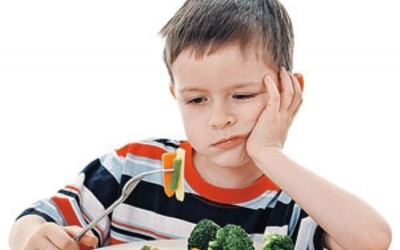
Are peas and carrots unwelcome on your preteen’s plate? Does your toddler eat only brown or yellow foods?
Avoid the dinner table battles and encourage a varied, healthy diet with a few strategies from registered dietitian Christine Bowen, RD, LD.
DO make eating a positive experience. Put away the electronics, turn off the television, and try to enjoy each other’s company at mealtime.
DO engage your child in food preparation, from selecting fruits at the market to measuring water and stirring a pot, as age-appropriate.
DO feel free to disguise healthy foods. Slip pureed zucchini into a marinara sauce. Serve cut fruits and vegetables in a smiley face or rainbow arrangement. Offer yogurt dip or ranch dressing with fruits and veggies.
DON’T give up on a food after two or three tries. It can take ten tries before a child accepts a new food. Try different preparations and presentations.
DON’T reward food with food. Instead of bargaining dessert for a bite of squash, consider an agreed-upon non-food reward. A video game, e-book or trip to the zoo, for example, could be awarded after completing a sticker chart, with a sticker earned for each new food sampled.
DON’T graze throughout the day. Try to maintain a consistent meal and snack schedule, with only two or three snacks a day. Be sure that snacks are healthy and not high in carbohydrates, especially when a child did not eat well the previous mealtime.
DON’T stress out. “When you fight about food it just creates tension,” says Bowen.
DON’T serve all new foods on a plate. Try one new food with two to four familiar foods. Bowen recommends a total of three foods on a plate for a toddler, and four to five foods for older children.