make preferable
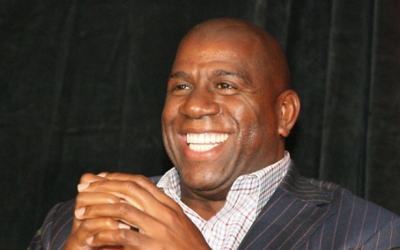
22 years ago Magic Johnson announced to the world he would have to retire from the Los Angeles Lakers immediately to battle the disease. He had no idea at the time what kind of impact his press conference would have.
Johnson learned he was HIV-positive more than two decades ago after the Lakers tested him because of an insurance policy that had been taken out on the NBA superstar.
“I was just devastated, blown away,” Johnson recalled to CBSNews.com. “We have to remember at that time, people were really dying of AIDS. I was just scared to death.”
Soon his medical care would be handled by Mellman and Dr. David Ho, one of the top HIV researchers in the country at the time. Ho told the NBA star that new drugs were coming down the pipeline and he was going to be okay.
Then he met AIDS activist Elizabeth Glaser shortly after his diagnosis "who really saved his life."
She eased the minds of Johnson and his wife Cookie, answering any question they had and describing daily life to them in ways doctors without the disease couldn't. Glaser’s HIV had already progressed to AIDS, and she urged Magic to go public and become an HIV activist.
“The one thing she did say was I was going to live for a long time. And the thing that she asked me to do was become the face of the disease,” he said. "She felt it was really important that I go public to help a lot of other people who were living the same lifestyle who didn’t know they had HIV and needed to get tested. And she was absolutely right”.
In his community, Johnson pointed to problems with denial, stigma and misinformation.
The outreach efforts of his Magic Johnson Foundation target households, schools and black churches to spread the message of safe sex, getting tested so everyone knows their HIV status, and acceptance of those with the disease.
"We have to drive people to get tested, because that's the most important thing," he added. “The stigma and fear of knowing their status" is holding people back.
And so is misinformation. He’s heard the rumors that “Magic’s taking magical drugs” or gets treatment most people can’t afford. He calls such rumors false, saying he takes the same three medications available to everyone else. His good health, he says, is from taking his pills daily and following all doctors’ instructions to live a healthy lifestyle.
“That’s why early detection is such a key," said Johnson. “You should want to know your status and we can put you on some drugs. You can live a long time and a healthy life like I am.”