make preferable
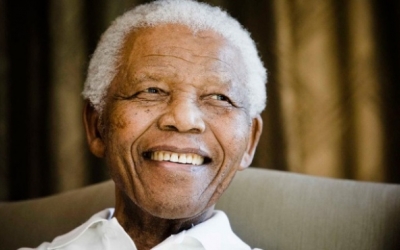
Nelson Mandela's death has drawn a global attention on his noble life's work as a human rights activist, visionary leader, and peaceful freedom fighter. But health experts say the work for which he will be admired and remembered for years to come may also have contributed to his long life, Newsmax Health reports.
The former South African president's positive attitude and work on behalf of his country may have helped buffer him from the physical stresses and extreme adversity he suffered throughout his life, according to a thoughtful tribute posted on the Live Science Website.
The former South African leader, who helped end apartheid and served as the country's president between 1991 and 1997, died Thursday at the age of 95, after a long respiratory illness.
Despite experiencing significant adversity during his life, including 27 years in prison, Mandela managed to live a long and healthy life and maintained an unrelentingly positive outlook.
Of course, genetics and other factors, including lifestyle, are also factors that contribute to longevity.
A 2010 study of people ages 100 and over found, for instance, that a specific set of genetic markers can predict with a high degree of accuracy whether someone will live to a ripe old age. Another study of people living in Sicily found that those who lived past the age of 100 closely followed a Mediterranean diet, loaded with fruits, vegetables, and whole grains, and low in red meat and refined carbohydrates.
A recent study by Purdue University found, for instance, that people over 70 years of age who engage in volunteer efforts tend to live longer lives.
"One of the lessons to learn here is: Working for, with, and on behalf of others is a very noble, and maybe health-enriching experience," said Vickie Mays, a professor of psychology at the University of California-Los Angeles.