
 make preferable
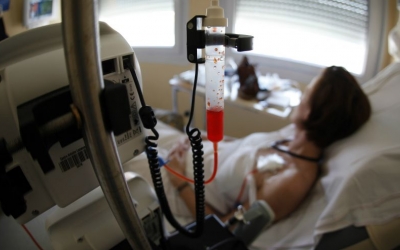
Chemotherapy fights the cancer, but it can have lasting effects on the organism.
First used to treat cancer in the 1950s, chemotherapy drugs use powerful chemicals to kill cancer cells and inhibit them from reproducing and spreading throughout the body. Most often, these medications are very effective at what they do – but they can also be a little too effective, destroying healthy cells along the way, the Fox News reported.
This gives rise to many of the common short-term side effects associated with cancer treatments, such as fatigue, nausea and vomiting, constipation and hair loss. Additionally, health problems can still persist once chemotherapy has ended, as these drugs can sometimes cause permanent changes to the body’s systems.
One of the most serious concerns for cancer patients post-chemotherapy is the possibility of a second malignancy. Although the likelihood of this happening is relatively low, both chemotherapy and radiation therapy are particularly toxic to cells in the bone marrow, increasing a patient’s risk for leukemia, a type of blood cancer that originates in the marrow.
The heart and cardiovascular system are also greatly affected by radiation and chemotherapy medications, especially by a class of drugs called anthracycline. Additionally, chemotherapy can cause long-term lung damage.
Perhaps the most common side effect of chemotherapy is suppression of the body’s immune system. If suppressed for an extended period of time, the lowered immune system can give rise to many secondary infections throughout the course of cancer survivor’s life. In addition, chemotherapy can leave its mark on the nervous system, causing pain or weakness in the nerves of a person’s fingers and toes.
Although most of chemotherapy’s side effects have been well established and are usually very treatable, physicians have recently become concerned with a new concept called “chemo brain.” For many years, patients undergoing treatments have noted changes in their cognitive abilities, experiencing something of a “mental fog” and forgetfulness.
The list of long-term effects from chemotherapy may seem daunting for some, but it’s important to remember the alternative to foregoing treatment: living with cancer. And for many patients, these side effects can be incredibly minor, especially for those who undergo proper rehabilitation – such as exercising regularly and maintaining a good diet.





