make preferable
Switching to an animal-based diet increased the number of microorganisms that process protein, while a plant-based diet increased the number of bacteria that help process starch and cellulose, according to a study led by Harvard University researchers published today in the journal Nature. The change in the bacteria populations occurred within a day, Newsmax Health reports.
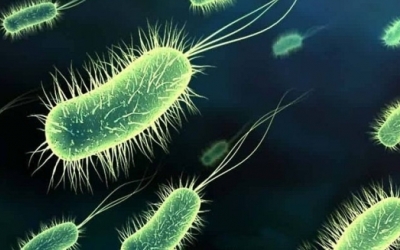
Trillions of microorganisms live in the human gut, helping to digest food, fight disease-causing germs and process nutrients. Research has suggested that diets high in fat and sugar may change the human gut’s bugs.
Humans are home to more than 10,000 species of microbes, mostly bacteria that live in healthy symbiosis, according to the Human Microbiome Project.
The 11 people studied were allowed to eat as they normally did for four days, writing down what they ate and submitting fecal samples to the researchers. Then they consumed what was provided to them by researchers for four days, and were watched for six days afterward.
The animal-based diet caused changes in the population, including an increase in the anaerobic bacteria Bilophila wadsworthia, which is known to cause colitis in mice. The bacteria seem to thrive with the increased intake of fat, said Lawrence David, who was one of the Harvard researchers and is now an assistant professor at Duke University’s Molecular Genetics & Microbiology and Institute for Genome Sciences & Policy.