make preferable
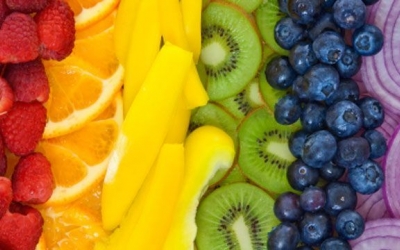
It’s a holiday, and we all want to start eating healthy food. But sometimes we focus too much on counting grams of fiber or protein, or we focus in on specific nutrients. An easier (and definitely more fun) approach is to simply add more color to your meals and snacks, Fox News reports.
Frances Largeman-Roth is a Registered Dietitian Nutritionist, a nationally recognized health expert and author of the book «Eating in Color».
Delicious, Healthy Recipes for Your and Your Family, I share recipes and tips for bringing more color to your table. Fruits and vegetables contain compounds that reduce the risk of heart disease and stroke, some cancers, chronic respiratory diseases, diabetes and obesity.
Here’s a guide to “Eating in Color” and the benefits that each color family provides.
Reds
This bold and beautiful family of fruits and vegetables is certainly physically attractive, but it also boasts a wide range of heart-healthy nutrients. Many members of the red family contain high levels of the antioxidant vitamin C, potassium and fiber.
Foods to try: pomegranates, raspberries, strawberries, watermelon, radishes, tomatoes, beets, red peppers, radicchio, rhubarb, cherries, cranberries, red apples, red onions
Oranges
The orange family has a very special nutrient: beta-carotene. Beta-carotene is converted to vitamin A in the body and is needed for skin and eye cell growth. It’s also vital for a healthy immune and reproductive system.
Foods to try: pumpkins, orange peppers, sweet potatoes, butternut squash, mangos, oranges, apricots, peaches, cantaloupe, carrots
Yellows
This sunny group finds common ground in its wealth of antioxidant-rich compounds, which help fight chronic diseases including cancer and heart disease.
Foods to try: yellow beets, star fruit, yellow figs, lemons, yellow bell peppers
Greens
Green is Mother Nature’s favorite color. Most members of the green family are super slimming, with less than 50 calories per cup, so it makes sense to load up your plate with them. They also offer up antioxidants for longevity-boosting benefits. And many greens are a great vegetarian and vegan source of iron, as well as the B-vitamin folate, which is essential for a healthy pregnancy.
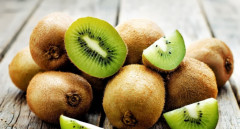
Foods to try: arugula, kiwi fruit, avocado, broccoli, spinach, cucumbers, zucchini, kale, fennel, Brussels sprouts, asparagus, mustard greens, sugar snap peas, lime, watercress
Blues, Indigos and Violets
This family of foods delivers high amounts of anthocyanins – a type of antioxidant that fights inflammation and may help reduce the risk of heart disease and cancer. And certain members of this gorgeous crew may also help keep your memory sharp and boost brainpower.
Foods to try: purple cabbage, blueberries, blackberries, plums, prunes, figs, eggplant, purple potatoes, grapes, purple carrots
Blacks and Tans
Rich in fiber and antioxidants, these whole grains, legumes, fruits, fungi and seeds add big flavor and texture to meals and reduce your risk of diabetes and heart disease. Also, it includes everyone’s favorite – chocolate.
Foods to try: coconut, mushrooms, olives, chocolate, chia seeds, hemp seeds, barley, flax seeds, quinoa, black rice, freekeh, black beans