make preferable
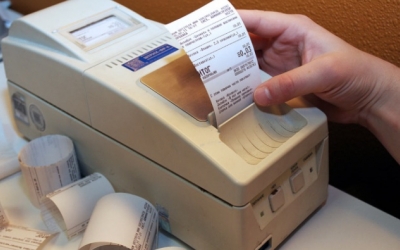
Even small amounts of bisphenol A (BPA) — the chemical in cash register receipts and many plastic containers — can cause cellular changes in prostate cancer tumors and may be a marker of the disease that turns up in men's urine, according to new research by the Cincinnati Cancer Center, Newsmax Health reports.
The findings, published in the Public Library of Science journal PLOS ONE, provide the first evidence that urinary BPA levels may help predict prostate cancer and that the ubiquitous chemical — used to hard, clear plastics — may cause tumor growth in the prostate.
Human exposure to BPA is common with products made with the chemical, which can be absorbed through the skin, inhaled, and ingested in food and water. Animal studies have shown that the chemical contributes to development of prostate cancer, but human research has been scarce.
For the new study, researchers assessed the PSA of 60 urology patients using urine samples. Higher levels of BPA were found in prostate cancer patients than in non-prostate cancer patients.
Additionally, researchers examined prostate cells — normal and cancerous — and found those exposed to low doses of BPA underwent cellular changes that can give rise to prostate cancer.