make preferable
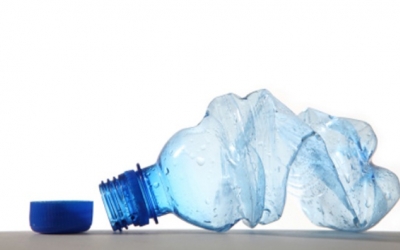
Study in mice indicates that exposure in the womb to bisphenol A plastic chemical (BPA) leads to a high risk of prostate cancer later in life, Newsmax Health reports.
The findings, however, and can't prove a causal link between BPA exposure and the cancer.
According to background information from the study's authors, BPA is commonly used in everyday products such as water bottles and soup cans, and boosts stem cells' sensitivity to estrogen. Estrogen is found naturally in both men and women.
Over time, heightened sensitivity to the hormone might raise men's vulnerability to illnesses such as prostate cancer, the researchers said.
In conducting the study, which was published online Jan. 7 in the journal Endocrinology, the researchers took human prostate stem cells from young men who died and implanted them into mice. The mice were then fed BPA two weeks after implantation to copy the effects of BPA.
One month later, the mice were given estrogen to mimic the levels of the hormone, which rise naturally among men as they age. After two to four months, tissue samples were taken from the mice and screened for prostate cancer.
The study found that one-third of the tissue samples taken from mice that had been fed BPA had either pre-cancerous lesions or prostate cancer. The same was true for only 12 percent of the mice in the control group that were not fed BPA.