make preferable
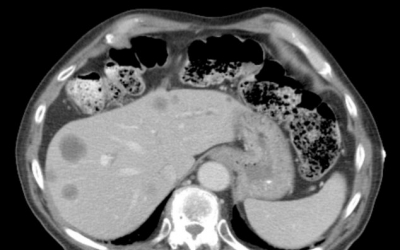
Thousands of men undergo painful biopsies, which are not able to detect the disease, Daily Mail reports. They should be given an MRI scan that can give an accurate location of the cancer cells.
But most are still being put through outdated tests which, despite being invasive and painful, are not reliable.
Worryingly, many patients get a negative result even though they do in fact have the disease.
As a result, doctors have to ask them to come back time after time for repeat, painful biopsies to ensure they haven't missed the cancer. Incredibly, some men live up to ten years with the disease before getting an accurate scan.
One expert said the NHS guidelines should be changed to ensure all patients are given the more accurate MRI scan.
New guidelines issued to the NHS earlier this week advise doctors to use an MRI scan after one negative biopsy – the first time the National Institute for Health and Care Excellence has recommended them in the place of biopsies.
Colin Taylor remembers his biopsy for suspected prostate cancer all too well. The 52-year-old had been to his GP at the insistence of his wife Tracey, 48, after experiencing symptoms including slow urine flow, pain and discomfort.
He was referred three years ago to Leeds General Infirmary for a biopsy to confirm the diagnosis.
He said: 'When I saw this big syringe and camera attached I thought it can't be for me – but it was.'
Mr Taylor can't help comparing the experience with an MRI scan just a few weeks later.
He said: 'The biopsy was very uncomfortable, and I was bleeding off and on for three weeks afterwards. The MRI was brilliant.'
Mr Taylor is doing well after a robotic prostatectomy to treat the disease. But he believes if MRI was more readily available he might have been treated earlier.
Professor Mark Emberton, who is carrying out a trial of MRI and prostate cancer at University College of London, said, that out-dated biopsy procedures are subjecting thousands of men each year to the risks of infection, with one in 30 needing hospital treatment for sepsis. He said he had seen one man who had had five biopsies, all of which were inaccurate and failed to find cancerous cells which later showed up on an MRI scan.